
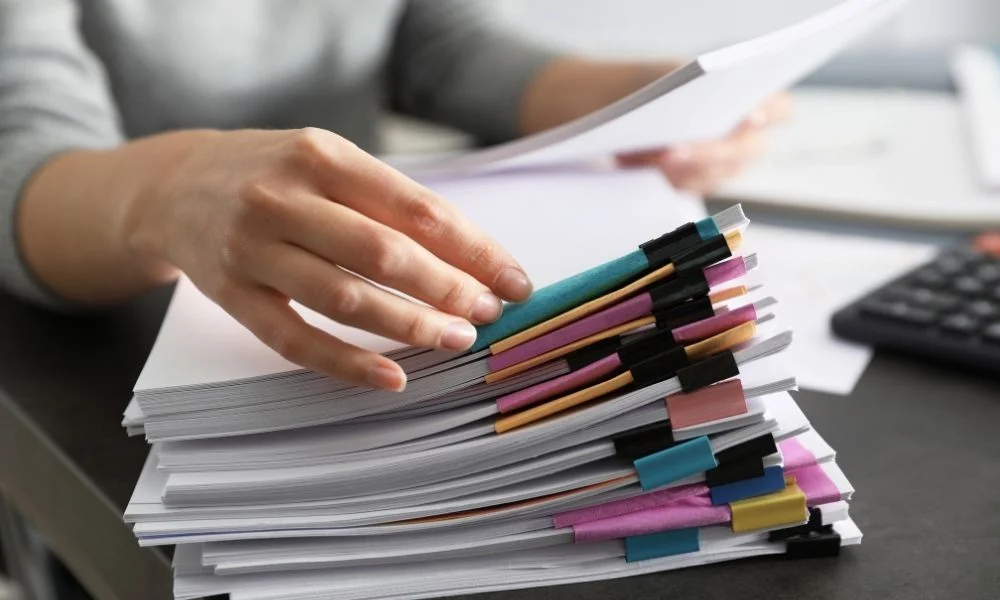
Jakarta, adminca.sch.id – Effective Document Preparation is an essential part of administrative work because office files need to be clear, accurate, and professional. Admin staff often prepare letters, reports, meeting notes, forms, internal memos, and other documents that support communication and recordkeeping across the workplace. When these materials are well prepared, they help work move smoothly. When they are unclear or poorly organized, they can cause confusion, delays, and unnecessary correction.
Creating professional office documents is not only about appearance. It is also about making information easy to understand, easy to use, and reliable for the people who depend on it. Strong document preparation helps admin teams maintain quality, consistency, and trust in day-to-day operations.
Why document preparation matters
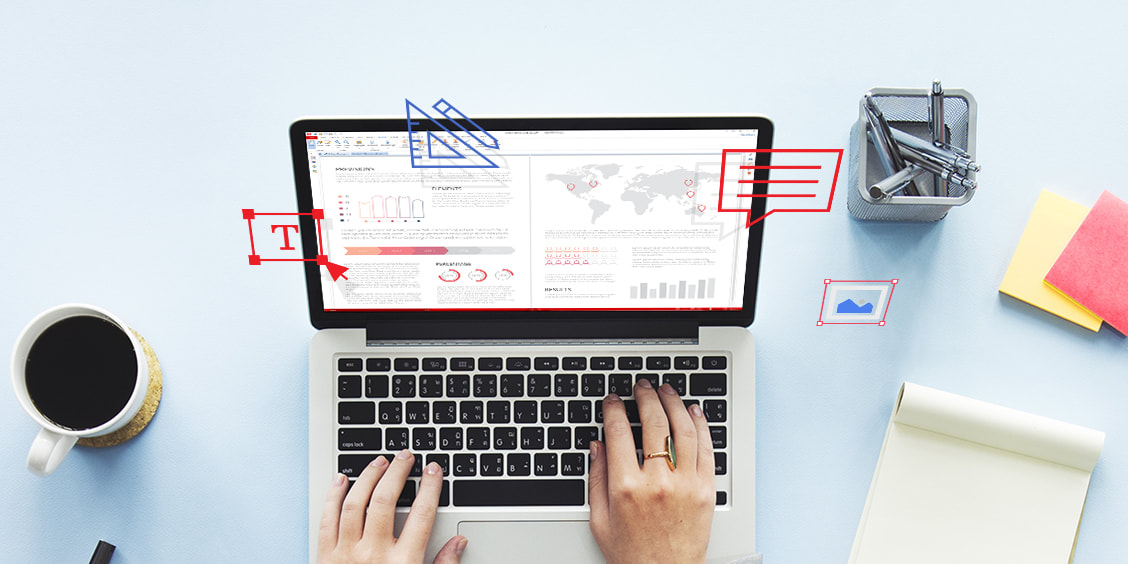
Document Preparation matters because documents often serve as the official record of communication, decisions, instructions, or transactions. If a file is incomplete, inconsistent, or difficult to read, it can affect both efficiency and professionalism.
Well-prepared documents help:
- Improve communication clarity
- Reduce misunderstandings
- Support accurate recordkeeping
- Present the organization professionally
- Save time during review or follow-up
In admin work, a good document often prevents problems before they begin.
Common types of office documents
Admin professionals use Document Preparation skills across many routine office files.
Common examples include:
- Letters and correspondence
- Reports
- Agendas and meeting minutes
- Memos
- Forms and templates
- Schedules
- Internal notices
- Filing and reference documents
Each type may have different formatting needs, but all should remain clear and organized.
Key elements of a professional document
Strong Document Preparation depends on a few important qualities that apply to most office writing.
Professional documents should be:
- Clear in purpose
- Accurate in content
- Well structured
- Consistent in formatting
- Appropriate in tone
- Free from grammar and spelling errors
This combination helps the reader understand the message quickly and trust the information provided.
Practical habits that improve document quality
Admin staff can strengthen Document Preparation through simple habits and systems that support consistency.
Helpful practices include:
- Use templates for recurring documents
- Follow standard formatting rules
- Write concise headings and subject lines
- Check names, dates, and figures carefully
- Keep language direct and professional
- Review the document before sending or filing
- Save files with clear names for easy retrieval
These habits reduce mistakes and improve efficiency across repeated tasks.
Organizing files for easier use
Good Document Preparation also includes file organization. A document is only useful if people can find, identify, and use it when needed.
To support better file handling, admin teams should:
- Use consistent file naming
- Store documents in logical folders
- Separate drafts from final versions
- Apply version control where needed
- Archive old files properly
This helps prevent duplication, confusion, and the ancient office mystery of the document that absolutely existed yesterday.
Final thoughts
Document Preparation helps admin staff create clear and professional office files that support communication, consistency, and reliable recordkeeping. Through accurate writing, strong formatting, and organized file management, administrative professionals can make daily operations more efficient and more dependable.
Professional documents do quiet but important work in every office. When prepared well, they make everything around them easier to manage.
Explore our “”Knowledge“” category for more insightful content!
Don't forget to check out our previous article: Stress Management in Admin: Simple Ways to Stay Calm and Productive Under Pressure