
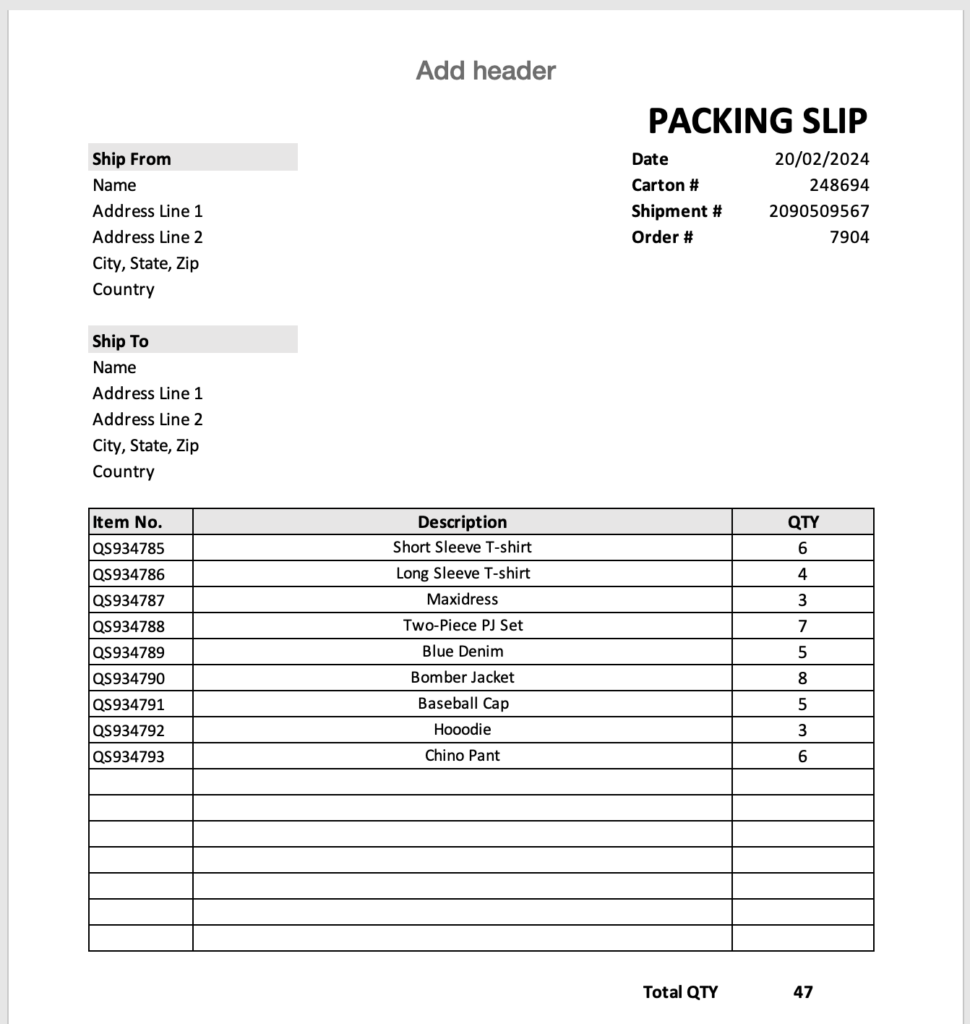
Jakarta, adminca.sch.id – Clear Logistics Documents are essential for admin professionals who coordinate events, travel arrangements, transportation, schedules, and related operational details. In administrative work, logistics often involve many moving parts, including bookings, itineraries, approvals, vendor communication, timing, and participant information. Without organized documentation, even simple arrangements can quickly become confusing and vulnerable to error.
Good logistics paperwork helps ensure that information is accurate, accessible, and easy to follow by everyone involved. For admin professionals, this means creating systems that support coordination before, during, and after an event or trip. Well-prepared logistics documents are often the difference between smooth execution and a very long day involving missed details and urgent phone calls.
Why logistics documents matter
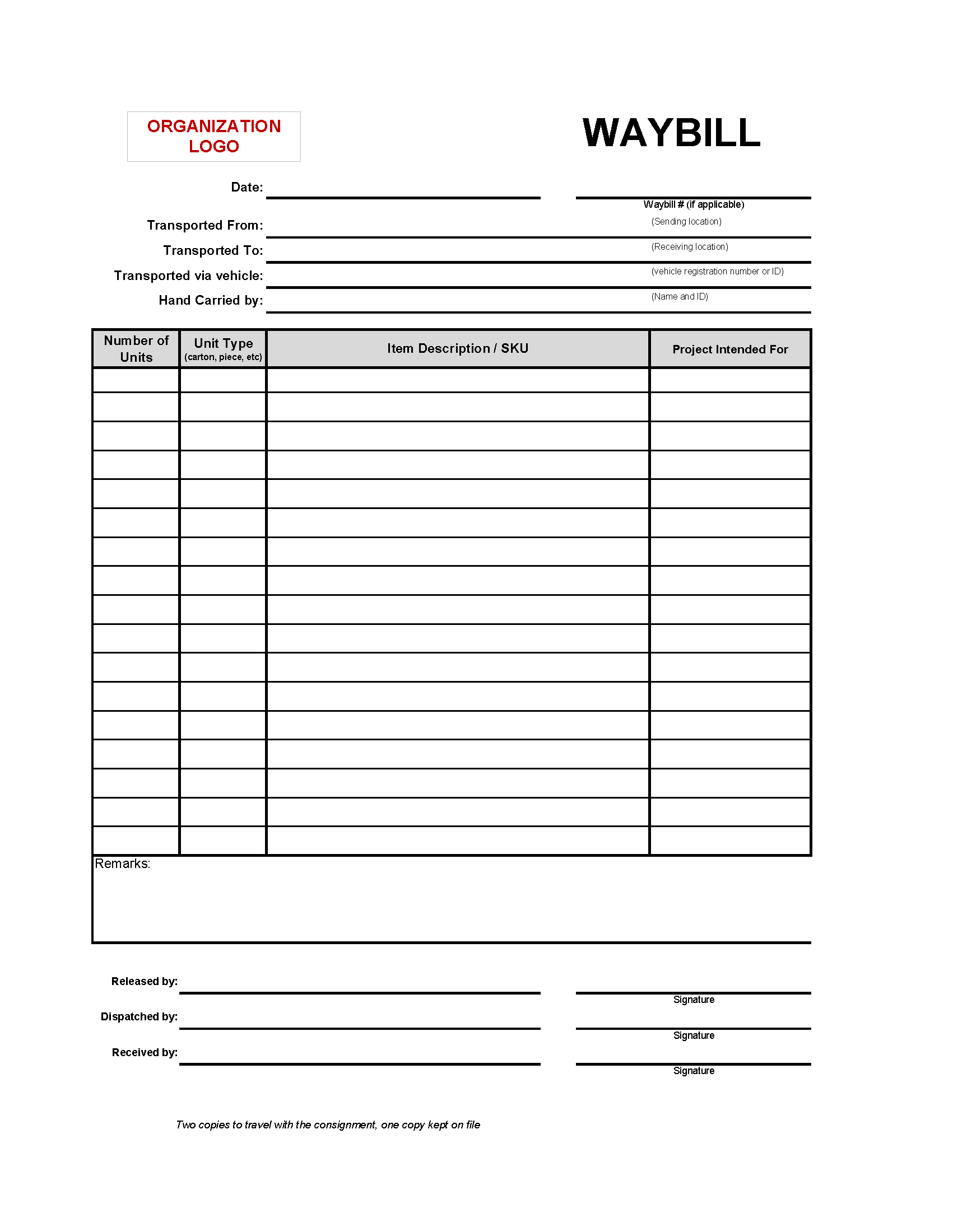
Logistics Documents matter because they keep essential operational information in one structured place. When schedules, contacts, approvals, and travel details are clearly documented, coordination becomes more reliable and less stressful.
These documents help:
- Reduce confusion
- Improve time coordination
- Support accurate communication
- Prevent missed arrangements
- Provide reference during fast-moving situations
In event and travel coordination, organization is not a luxury. It is the engine quietly keeping everything on track.
Common types of logistics documents
Admin staff may prepare several types of Logistics Documents depending on the nature of the activity being managed.
Common examples include:
- Travel itineraries
- Transportation schedules
- Accommodation confirmations
- Participant lists
- Vendor contact sheets
- Approval forms
- Budget tracking sheets
- Event timelines and checklists
Each document serves a different purpose, but together they create a more complete operational picture.
What effective logistics paperwork should include
Strong Logistics Documents should be clear, accurate, and easy to update. People using them often need to access information quickly, so structure matters a great deal.
Important elements may include:
- Dates and times
- Names and contact details
- Locations and directions
- Booking or reference numbers
- Responsibilities and task owners
- Approval status
- Emergency or backup information
This level of detail helps prevent confusion when plans are being carried out in real time.
Keeping documents organized and accessible
A major part of managing Logistics Documents well is making sure they are easy to find, share, and revise when needed. Poor file organization can undermine even the best planning.
Helpful practices include:
- Use consistent file naming
- Keep folders structured by event or trip
- Separate drafts from final versions
- Store important confirmations together
- Maintain updated contact information
- Share only the correct version with the right people
These habits help admin professionals respond more quickly when updates are needed.
Supporting smoother coordination
Well-prepared Logistics Documents improve coordination because they allow everyone involved to work from the same information. This reduces repeated questions, missed steps, and avoidable scheduling problems.
They are especially useful for:
- Confirming arrangements in advance
- Monitoring deadlines
- Managing last-minute changes
- Communicating with vendors or participants
- Reviewing what has been completed
The clearer the documents, the less the team needs to rely on memory, which is rarely at its best during busy coordination days.
Final thoughts
Logistics Documents help admin professionals coordinate events and travel more effectively by keeping important operational details organized, accurate, and accessible. Through strong documentation practices, administrative teams can reduce confusion, improve communication, and support smoother execution from planning to follow-up.
Behind every well-run event or trip is usually a stack of paperwork doing quiet heroic work. That stack deserves more respect than it often receives.
Explore our “”Knowledge“” category for more insightful content!
Don't forget to check out our previous article: Office Announcement: Professional Ways for Admin Staff to Communicate Workplace Updates