

Jakarta, adminca.sch.id – Clear Policy Documents are essential for admin staff because workplace rules, procedures, and compliance requirements need to be recorded in an organized and accessible way. In many organizations, policies guide daily behavior, decision-making, safety practices, reporting obligations, and legal or regulatory compliance. If these documents are unclear, outdated, or difficult to find, the result can be confusion, inconsistency, and avoidable risk.
For admin professionals, organizing policy documents is a practical responsibility that supports both operations and accountability. Well-maintained policy files help staff understand expectations, follow procedures correctly, and respond more confidently during reviews or audits.
Why policy documents matter
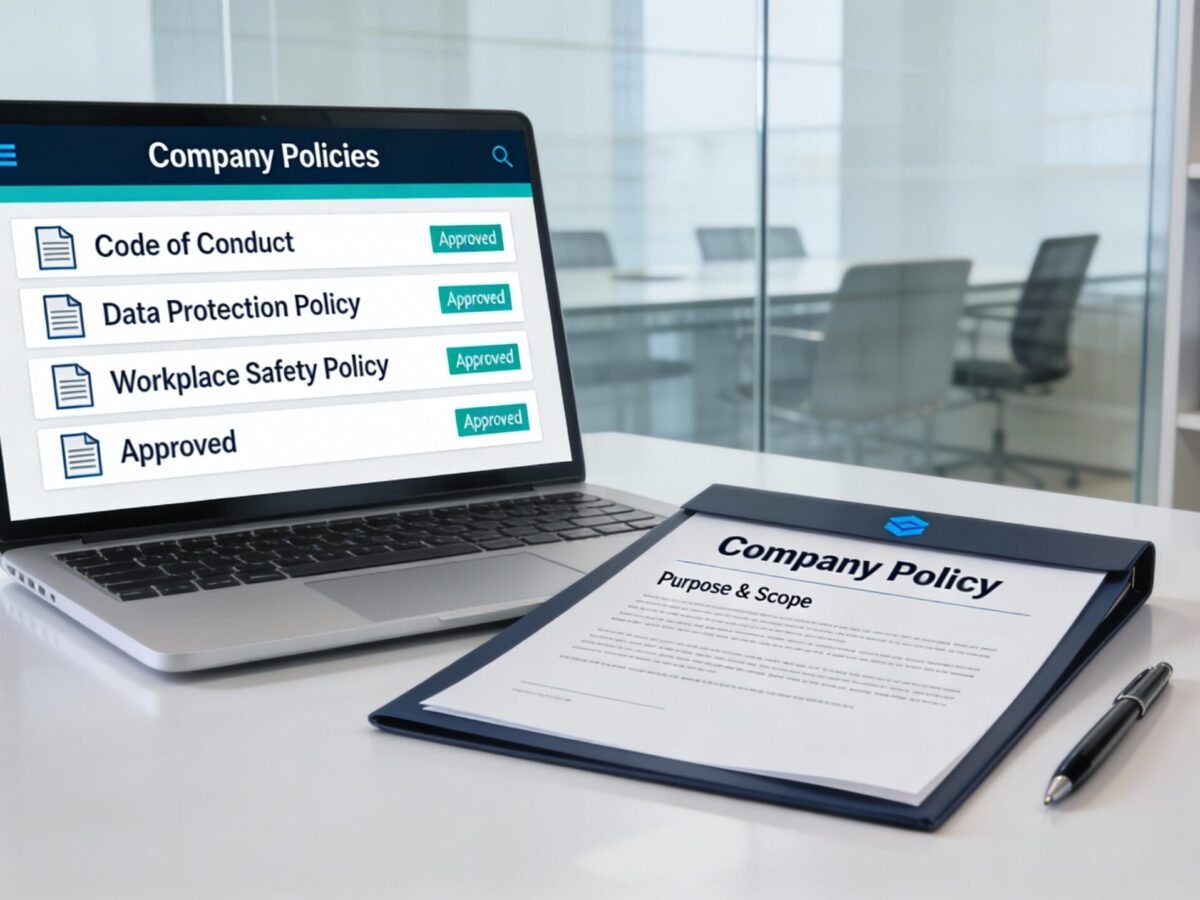
Policy Documents matter because they provide the formal record of workplace rules and standards. They help ensure that expectations are communicated clearly and applied consistently across the organization.
Well-organized policies can help:
- Clarify workplace expectations
- Support legal and procedural compliance
- Reduce misunderstanding
- Improve consistency in decision-making
- Provide reference during audits or reviews
A good policy file often prevents the office version of “I thought someone else handled that.”
Common types of policy documents
Admin teams may manage many kinds of Policy Documents depending on the structure and needs of the workplace.
Common examples include:
- Attendance and leave policies
- Safety procedures
- Data protection and confidentiality rules
- Conduct and discipline policies
- Procurement or purchasing guidelines
- Financial control procedures
- Compliance and reporting instructions
Each document supports a different area of workplace governance.
Keeping policy files organized
A strong system for Policy Documents helps admin staff retrieve information quickly and maintain clear records over time. Organization is especially important when multiple departments rely on the same documents.
Helpful practices include:
- Use consistent file names and categories
- Separate draft and approved versions
- Include issue dates and revision history
- Store current policies in one clear location
- Archive outdated policies properly
These habits make it easier to know which version is current and which one belongs respectfully in the administrative past.
Supporting compliance and consistency
One of the most important functions of Policy Documents is supporting compliance. Policies help organizations demonstrate that rules are defined, documented, and available to those who need them.
This can support:
- Better staff awareness of responsibilities
- More consistent workplace procedures
- Stronger audit readiness
- Improved response to regulatory requirements
- Clearer internal accountability
Without clear policy records, even reasonable workplace standards can become difficult to apply consistently.
Reviewing and updating documents regularly
The value of Policy Documents depends on keeping them current. Policies that no longer match actual practice or current regulations can create more problems than they solve.
Useful review practices include:
- Schedule periodic policy reviews
- Update documents after procedural changes
- Record approval of revisions clearly
- Notify staff when key policies change
- Remove outdated versions from active use
A policy that is easy to find but no longer correct is not being helpful. It is being historical.
Final thoughts
Policy Documents help admin staff organize workplace rules and compliance files in a way that supports clarity, consistency, and accountability. Through careful filing, regular updates, and accessible records, admin teams help organizations operate with stronger structure and lower risk.
Policies work best when they are clear, current, and easy to use. Good administration is what makes that possible behind the scenes.
Explore our “”Knowledge“” category for more insightful content!
Don't forget to check out our previous article: Vendor Records: Helping Admin Staff Manage Supplier Details, Contracts, and Communication