Effective budget forecasting is essential for public administrations to ensure financial stability, allocate resources efficiently, and plan for future needs. Accurate forecasting allows governments to make informed decisions, respond to changing circumstances, and meet the needs of their communities. In this article, we will explore best practices and tools for budget forecasting that actually work in the realm of public administration.
1. Understanding Budget Forecasting
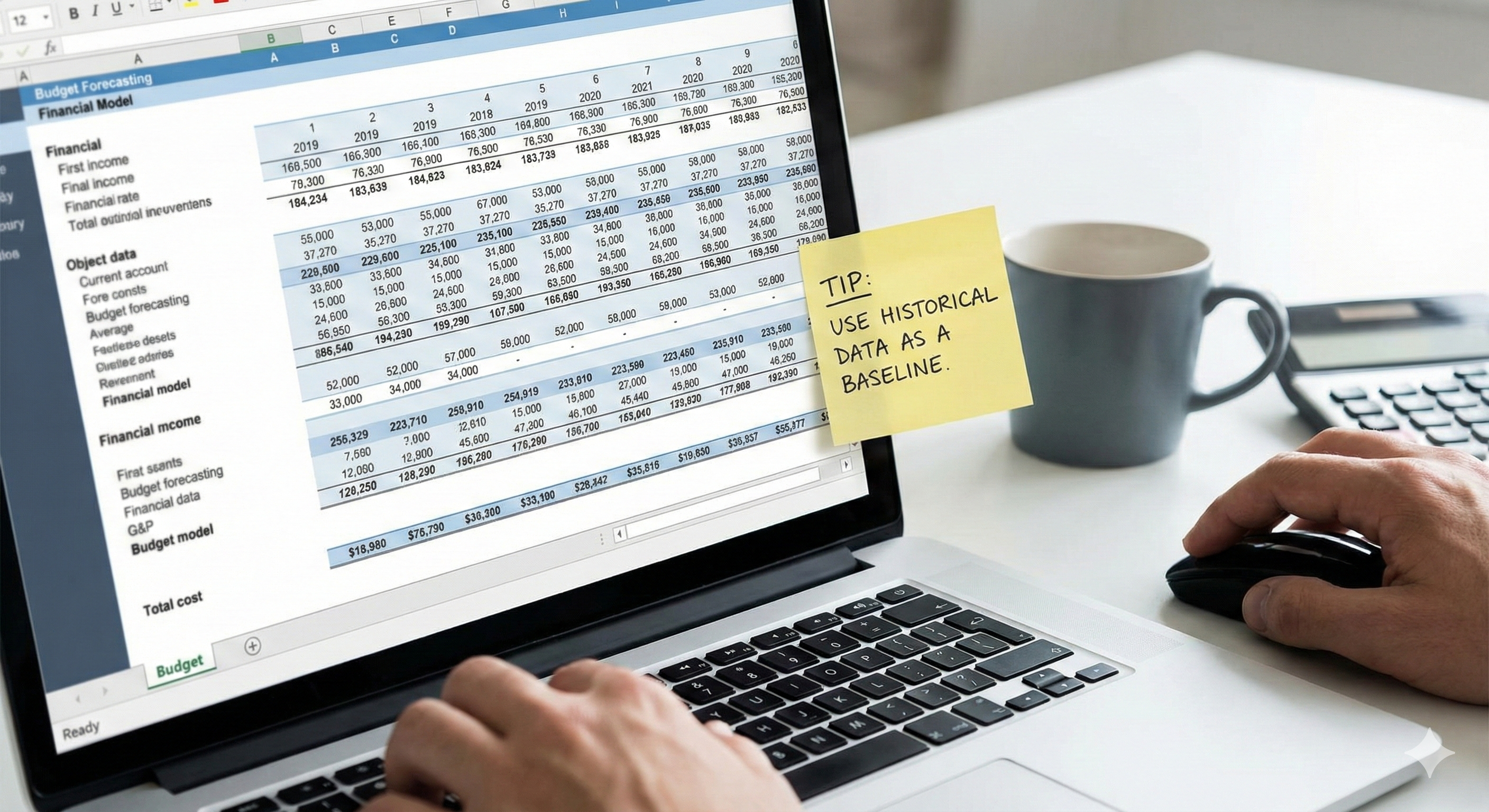
Budget forecasting involves estimating future revenues and expenditures to create a financial plan for a specific period. This process is crucial for public administrations as it helps in:
- Resource Allocation: Ensuring that funds are allocated to priority areas such as education, healthcare, infrastructure, and public safety.
- Financial Planning: Anticipating future financial challenges and opportunities, allowing for proactive decision-making.
- Transparency and Accountability: Providing a clear financial roadmap that enhances transparency and accountability to stakeholders.
2. Best Practices for Effective Budget Forecasting
Implementing best practices can significantly improve the accuracy and reliability of budget forecasts. Here are some key strategies:
– Involve Stakeholders Early
- Collaborative Approach: Engage various stakeholders, including department heads, finance teams, and community representatives, early in the forecasting process. Their insights can provide valuable context and enhance the accuracy of estimates.
- Feedback Mechanisms: Establish channels for ongoing feedback throughout the budgeting process. This ensures that all perspectives are considered and fosters a sense of ownership among stakeholders.
– Use Historical Data
- Trend Analysis: Analyze historical financial data to identify trends and patterns that can inform future forecasts. This includes examining past revenues, expenditures, and economic indicators.
- Adjust for Anomalies: Be mindful of any anomalies in historical data, such as one-time expenditures or unusual revenue spikes, and adjust forecasts accordingly to avoid misleading projections.
– Implement Scenario Planning
- What-If Analysis: Conduct scenario planning to anticipate various economic conditions and their potential impact on revenues and expenditures. This helps prepare for uncertainties and develop contingency plans.
- Multiple Scenarios: Create multiple budget scenarios (e.g., optimistic, pessimistic, and realistic) to understand the range of possible outcomes and make informed decisions.
3. Utilizing Technology and Tools
Leveraging technology can enhance the efficiency and accuracy of budget forecasting. Here are some tools and software that can be beneficial:
– Budgeting Software
- Integrated Solutions: Utilize budgeting software that integrates with existing financial systems. This allows for real-time data updates and improves collaboration among departments.
- User-Friendly Interfaces: Choose software with intuitive interfaces that enable users to easily input data, generate reports, and visualize forecasts.
– Data Analytics Tools
- Advanced Analytics: Implement data analytics tools that can analyze large datasets to identify trends, correlations, and anomalies. These insights can enhance the accuracy of forecasts.
- Visualization Tools: Use data visualization tools to create clear and compelling visual representations of budget forecasts. This aids in communicating complex financial information to stakeholders.
4. Continuous Monitoring and Adjustment
Budget forecasting is not a one-time task; it requires ongoing monitoring and adjustment to remain relevant.
– Regular Reviews
- Periodic Assessments: Conduct regular reviews of budget forecasts against actual performance. This helps identify discrepancies and allows for timely adjustments.
- Mid-Year Adjustments: Be prepared to make mid-year adjustments to the budget based on changing circumstances, such as economic shifts or unexpected expenses.
– Performance Metrics
- Key Performance Indicators (KPIs): Establish KPIs to measure the effectiveness of budget forecasts. This can include metrics such as revenue growth, expenditure variances, and program effectiveness.
- Feedback Loops: Create feedback loops to learn from past forecasting efforts. Analyze what worked well and what didn’t, and apply those lessons to future forecasting cycles.
5. Conclusion
In conclusion, effective budget forecasting is critical for public administrations to navigate financial complexities and meet community needs. By involving stakeholders, utilizing historical data, implementing scenario planning, leveraging technology, and continuously monitoring forecasts, public administrators can enhance their budgeting processes. Embracing these best practices and tools will lead to more accurate forecasts, better resource allocation, and improved financial outcomes for public organizations. Ultimately, sound budget forecasting contributes to the financial health and sustainability of public administrations, enabling them to serve their communities effectively.