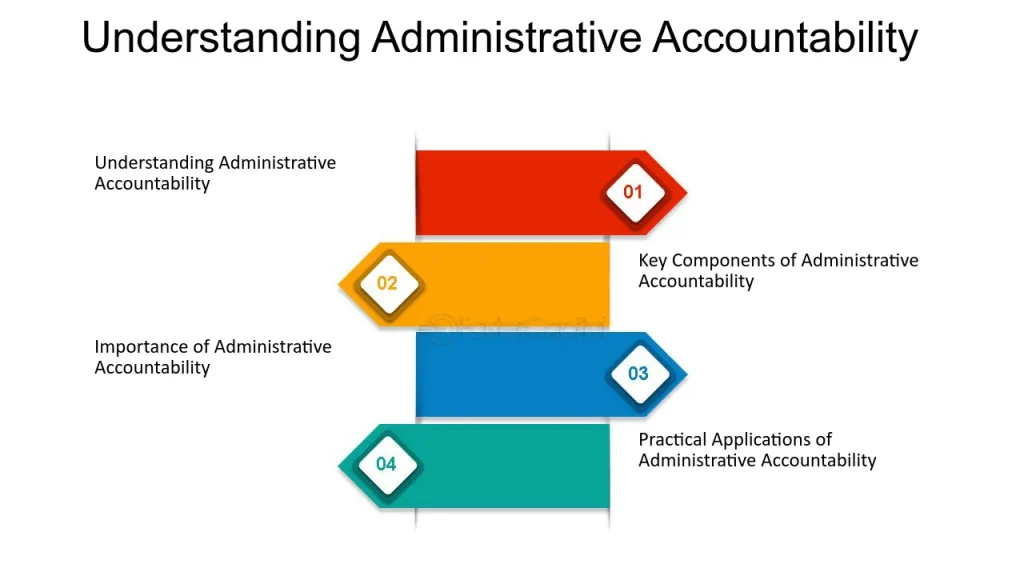
Accountability always is a foundational principle that can transform administrative practices and enhance organizational effectiveness. In an age where transparency and responsibility are paramount, embracing accountability is not just a moral obligation but a strategic advantage. This article explores the significance of accountability in administration, its benefits, and practical strategies for fostering a culture of ownership within organizations.
1. Understanding Accountability in Administration

Accountability refers to the obligation of individuals and organizations to report, explain, and be responsible for the outcomes of their actions. In an administrative context, it involves taking ownership of decisions, processes, and results, whether positive or negative. This principle is critical for several reasons:
- Trust Building: Accountability fosters trust among team members, stakeholders, and clients. When individuals take responsibility for their actions, it enhances credibility and strengthens relationships.
- Improved Performance: Organizations that prioritize accountability often see improved performance. Employees are more likely to strive for excellence when they know they are responsible for their contributions.
- Enhanced Decision-Making: A culture of accountability encourages individuals to think critically about their decisions and actions, leading to better outcomes and reduced risks.
2. The Benefits of Embracing Accountability
Adopting an accountability mindset can yield numerous benefits for both individuals and organizations:
a. Increased Productivity
When team members understand their responsibilities and the importance of their roles, they are more motivated to perform at their best. Clear accountability leads to defined expectations, which can streamline workflows and enhance overall productivity.
b. Better Team Dynamics
Accountability promotes open communication and collaboration. When individuals take ownership of their tasks, it encourages others to do the same, creating a supportive environment where team members hold each other accountable.
c. Enhanced Problem-Solving
In a culture of accountability, individuals are more likely to address issues proactively rather than deflecting blame. This mindset fosters a problem-solving approach, leading to innovative solutions and continuous improvement.
3. Strategies for Fostering Accountability
Creating a culture of accountability requires intentional efforts and strategic practices. Here are effective strategies to promote accountability in administration:
a. Set Clear Expectations
- Define Roles and Responsibilities: Clearly outline the roles and responsibilities of each team member. This clarity helps individuals understand what is expected of them and reduces ambiguity.
- Establish Measurable Goals: Set specific, measurable, achievable, relevant, and time-bound (SMART) goals for individuals and teams. These goals provide a framework for accountability and enable progress tracking.
b. Encourage Open Communication
- Foster a Safe Environment: Foster an environment where team members feel comfortable sharing their thoughts, concerns, and ideas. Encouraging open communication helps individuals take responsibility for their actions without fear of being judged.
- Regular Check-Ins: Implement regular check-ins or progress meetings to discuss ongoing projects and challenges. These meetings provide opportunities for accountability and support.
c. Lead by Example
- Model Accountability: Leaders should demonstrate accountability in their actions and decisions. When leaders take ownership of their responsibilities, it sets a powerful example for the entire organization.
- Acknowledge Mistakes: Encourage leaders and team members to acknowledge mistakes openly. This practice reinforces the idea that accountability is about learning and growth, not punishment.
4. Implementing Accountability Systems
To institutionalize accountability, organizations can implement various systems and processes:
a. Performance Reviews
- Regular Evaluations: Conduct regular performance reviews to assess individual contributions and provide constructive feedback. These evaluations should focus on achievements, areas for improvement, and setting future goals.
- Recognition and Rewards: Recognize and reward individuals who demonstrate accountability in their work. Celebrating successes reinforces the importance of ownership and motivates others to follow suit.
b. Accountability Tools
- Project Management Software: Utilize project management tools that track progress and responsibilities. These tools enhance transparency and make it easier to hold individuals accountable for their tasks.
- Documentation: Maintain clear documentation of decisions, processes, and outcomes. This documentation serves as a reference point for accountability and helps track progress over time.
5. Overcoming Barriers to Accountability
While fostering accountability is essential, organizations may face challenges in implementing this culture. Here are common barriers and how to overcome them:
a. Fear of Repercussions
- Shift the Mindset: Encourage a mindset shift from fear of blame to a focus on learning and development. Emphasize that accountability is about growth rather than punishment.
- Promote Psychological Safety: Create an environment where team members feel safe to take risks and admit mistakes. This safety encourages accountability and fosters innovation.
b. Lack of Clarity
- Clarify Expectations: Regularly revisit and clarify expectations to ensure everyone understands their roles and responsibilities. This practice helps prevent misunderstandings and promotes accountability.
- Provide Training: Offer training sessions on accountability practices and expectations. Equipping team members with the necessary skills and knowledge enhances their ability to take ownership.
6. Conclusion
In conclusion, accountability always is a game-changer in administration, fostering a culture of ownership, trust, and collaboration. By understanding the importance of accountability and implementing effective strategies, organizations can enhance productivity, improve team dynamics, and drive better decision-making.
Setting clear expectations, encouraging open communication, leading by example, and implementing accountability systems are essential steps in cultivating this culture. While challenges may arise, overcoming barriers to accountability is crucial for creating an environment where individuals feel empowered to take ownership of their actions.
As you embrace accountability in your administrative practices, remember that it is not just about responsibility; it is about fostering a mindset that values transparency, learning, and continuous improvement. By prioritizing accountability, you can transform your organization into a more effective, resilient, and successful entity.