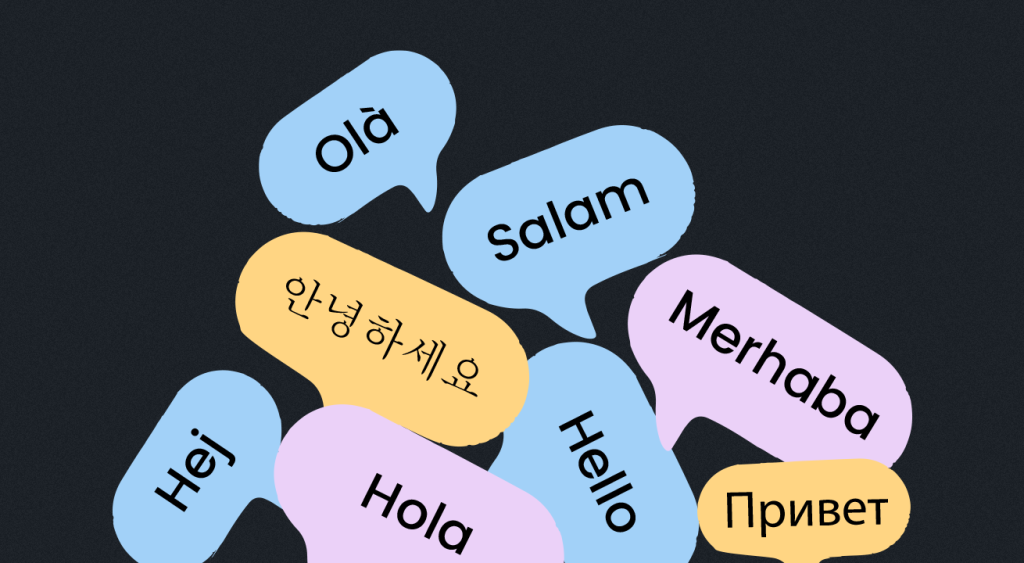
In today’s globalized world, the ability to communicate effectively across languages and cultures is more important than ever, especially in administrative roles that serve diverse teams. Multilingual support is crucial for fostering inclusivity, enhancing collaboration, and ensuring that all team members feel valued and understood. Throughout my journey in administration, I have learned valuable lessons about the importance of multilingual support and how it can significantly impact team dynamics and productivity. In this article, I will share my experiences, the challenges I faced, and the strategies that proved effective in providing meaningful multilingual support.
The Importance of Multilingual Support
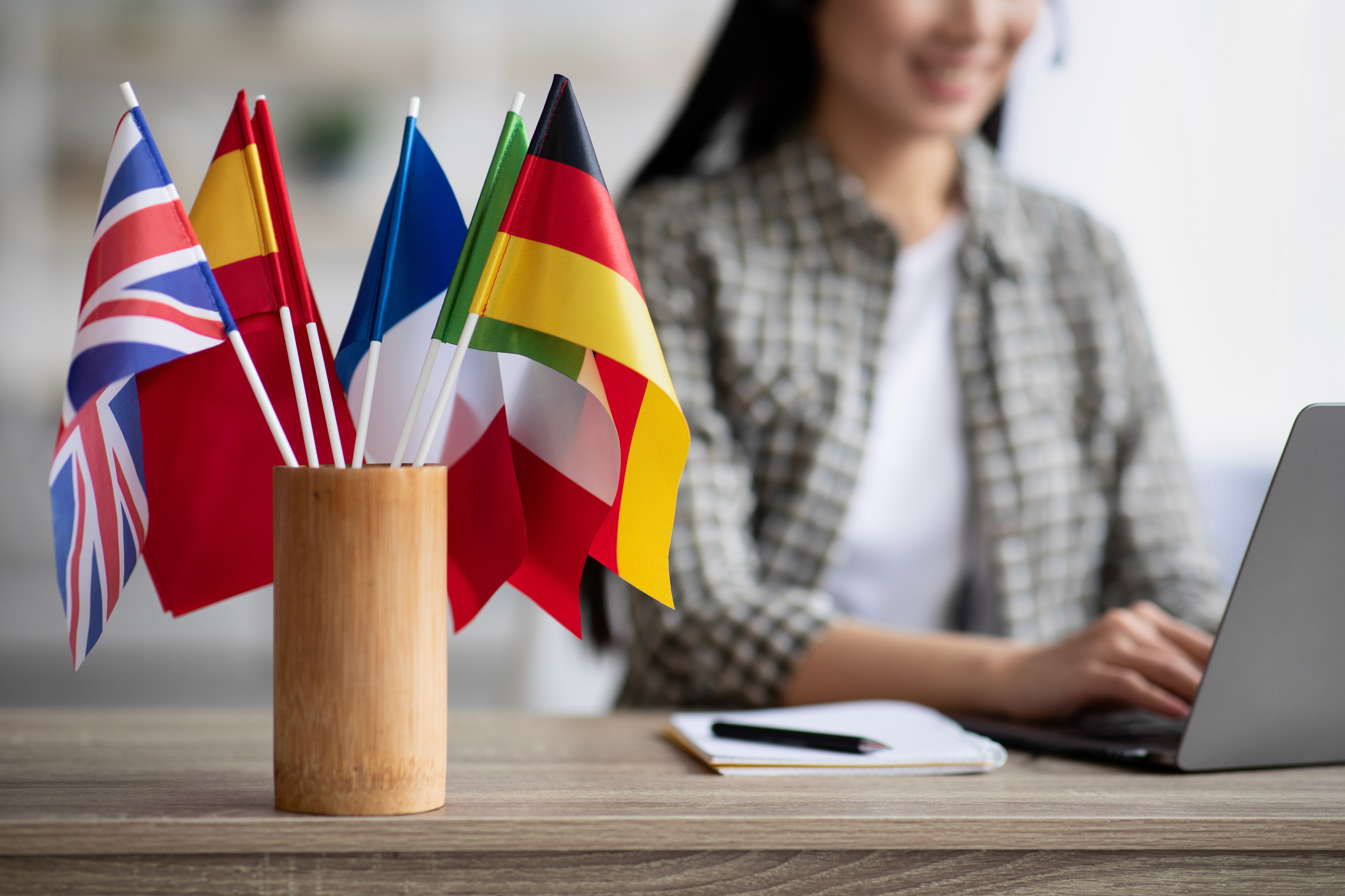
As organizations become increasingly diverse, the need for multilingual support becomes evident. Here are some key reasons why it is essential:
- Enhanced Communication: Multilingual support facilitates clear communication among team members who speak different languages, reducing misunderstandings and fostering collaboration.
- Increased Inclusion: Providing support in multiple languages ensures that all team members feel included and valued, which can boost morale and engagement.
- Improved Efficiency: When employees can communicate in their preferred language, they are more likely to express their ideas and concerns, leading to better decision-making and problem-solving.
- Broader Talent Pool: Organizations that prioritize multilingual support can attract and retain a more diverse workforce, enhancing creativity and innovation.
- Cultural Sensitivity: Understanding and respecting linguistic diversity fosters a culture of empathy and appreciation for different backgrounds.
My Journey in Providing Multilingual Support
Initial Challenges
When I first stepped into an administrative role, I was excited about the opportunity to work with a diverse team. However, I quickly realized that language barriers posed significant challenges. Many team members spoke different languages, and I often found myself struggling to facilitate effective communication during meetings and collaborative projects.
One of my early experiences involved organizing a team meeting where several members were non-native English speakers. I noticed that some team members hesitated to share their ideas, fearing they would not be understood. This experience highlighted the importance of creating an environment where everyone felt comfortable expressing themselves.
Lessons Learned
1. Prioritize Language Accessibility
One of the first steps I took to enhance multilingual support was to prioritize language accessibility. I began by conducting a language survey to identify the languages spoken by team members. This information allowed me to provide relevant resources and support tailored to their needs.
For instance, I implemented translated materials for important documents, such as meeting agendas and reports. This not only ensured that everyone had access to the same information but also demonstrated our commitment to inclusivity.
2. Foster a Culture of Openness
Creating a culture of openness was essential for encouraging team members to communicate freely. I initiated regular check-ins where team members could share their thoughts and concerns in their preferred language. To facilitate this, I arranged for interpreters when necessary and encouraged the use of translation tools.
By fostering an environment where everyone felt empowered to speak up, we were able to break down language barriers and enhance collaboration. Team members began to share ideas more confidently, leading to innovative solutions and improved team dynamics.
3. Invest in Language Training
Recognizing the value of language skills, I advocated for language training programs within our organization. Offering language courses for employees not only equipped them with valuable skills but also demonstrated our commitment to their professional development.
I organized workshops that focused on basic language skills relevant to our work environment. These sessions encouraged team members to learn from each other and fostered camaraderie among those who participated.
4. Utilize Technology
Leveraging technology played a significant role in enhancing multilingual support. I introduced translation tools and apps that team members could use to communicate effectively. These tools allowed for real-time translation during meetings and facilitated written communication across languages.
Additionally, I encouraged the use of collaborative platforms that supported multilingual interfaces, enabling team members to engage comfortably in their preferred language.
5. Celebrate Cultural Diversity
Embracing and celebrating cultural diversity was instrumental in creating a supportive environment. I organized cultural awareness events where team members could share their languages, traditions, and experiences. These events not only fostered understanding but also strengthened relationships among team members.
By recognizing and valuing the diverse backgrounds of our staff, we cultivated a sense of belonging that enhanced team cohesion.
Big Wins from Multilingual Support
1. Improved Team Collaboration
By implementing multilingual support strategies, I witnessed a remarkable improvement in team collaboration. Team members who previously felt hesitant to contribute began to actively participate in discussions, leading to more diverse perspectives and innovative ideas.
2. Enhanced Employee Satisfaction
As we prioritized multilingual support, employee satisfaction levels increased significantly. Team members expressed appreciation for the efforts made to accommodate their language needs, resulting in a more positive work environment and higher retention rates.
3. Successful Project Outcomes
In one instance, our team was tasked with developing a new product that required input from various departments. Thanks to our multilingual support initiatives, we were able to gather insights from team members who spoke different languages, leading to a well-rounded and successful product launch.
Conclusion
Multilingual support is not just a necessity in today’s diverse workplaces; it is a powerful tool for fostering collaboration, inclusivity, and innovation. My journey in providing multilingual support has taught me invaluable lessons about the importance of communication, cultural sensitivity, and teamwork.
By prioritizing language accessibility, fostering a culture of openness, investing in language training, utilizing technology, and celebrating cultural diversity, organizations can create an environment where all team members feel valued and empowered to contribute.
As we continue to navigate an increasingly globalized world, embracing multilingual support will be essential for driving success and building strong, diverse teams. Remember, effective communication is the cornerstone of collaboration, and by breaking down language barriers, we can unlock the full potential of our teams.