

Jakarta, adminca.sch.id – Administrative systems are often the quiet foundation of an organization. They keep records moving, communications flowing, approvals progressing, services coordinated, finances tracked, and essential decisions supported. Because of this, even a temporary disruption in administrative operations can create wider institutional delays, confusion, compliance concerns, and service breakdowns. That is why Business Continuity is such a critical concept in administration. To me, business continuity is the structured effort to ensure that essential functions can continue during and after disruptions through planning, coordination, backup systems, and operational resilience.
Why Business Continuity Matters
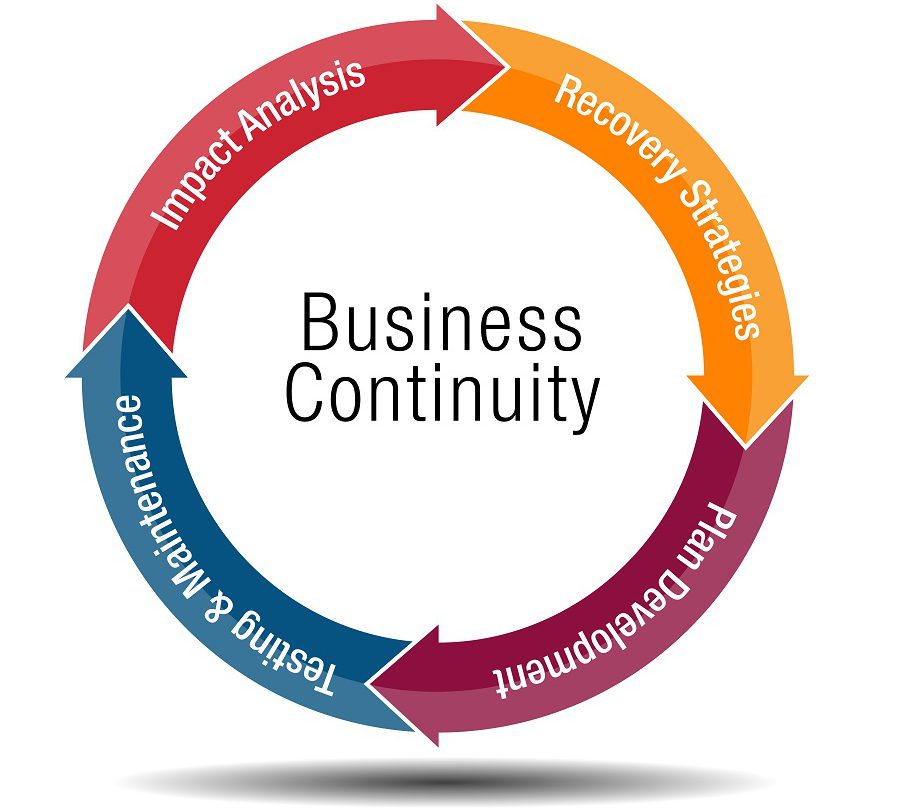
In my experience, Business Continuity matters because no organization is fully protected from disruption. Power outages, system failures, cyber incidents, natural disasters, staffing shortages, building access problems, health emergencies, supply interruptions, or communication breakdowns can all affect administrative work. Without continuity planning, even minor interruptions can create serious operational consequences.
This becomes especially important because administration connects multiple parts of the organization. Payroll, records management, scheduling, procurement, communication, reporting, and compliance processes often depend on one another. If one critical function stops, others may also be affected. Business continuity helps organizations identify which functions must continue, how they can continue, and what alternatives are available if normal operations are disrupted.
There is also a strong connection to institutional Knowledge, risk management, resilience, service reliability, governance, and operational preparedness here. Good business continuity is not simply about recovering after a crisis. It is about ensuring uninterrupted administrative operations through advance preparation and adaptive systems.
My Perspective on Administrative Resilience
What changed my understanding of Business Continuity was realizing that continuity is not only about large-scale disasters. At first, some may think it applies mainly to major emergencies. But over time, I came to see that continuity planning is equally valuable for everyday disruptions such as internet outages, unexpected absences, server downtime, delayed approvals, or restricted access to records. In other words, continuity is not only about surviving extreme events. It is about preserving operational stability under pressure.
That is what makes this topic meaningful to me. Business continuity is not only about emergency response. It is about sustaining administrative function when normal conditions are interrupted.
Core Elements of Business Continuity
I think the value of Business Continuity becomes easier to understand when its main elements are broken down clearly.
Critical function identification
Organizations must know which administrative processes are essential.
Backup systems
Alternative tools, records, or technologies should be available.
Role coverage
Key responsibilities should not depend on only one person.
Communication planning
Clear channels are needed during disruptions.
Data protection
Administrative records must remain secure and accessible.
Recovery procedures
Operations need structured steps for restoration and stabilization.
Common Challenges in Business Continuity
I have noticed that Business Continuity also comes with several challenges.
Overreliance on routine
Teams may assume current systems will always function normally.
Incomplete documentation
Critical procedures may not be recorded clearly.
Limited testing
Plans may exist on paper but not be practiced.
Resource constraints
Smaller offices may lack backup tools or staffing depth.
Fragmented coordination
Departments may plan separately without enough alignment.
Practical Value of Business Continuity
I believe Business Continuity offers lasting value because it protects both operational performance and institutional trust.
It reduces service disruption
Essential functions can continue even under difficult conditions.
It improves preparedness
Teams know what to do when normal processes fail.
It strengthens resilience
Organizations recover faster and more effectively.
It protects accountability
Records, approvals, and responsibilities remain more manageable during disruptions.
It supports stakeholder confidence
Staff, leadership, and external partners trust systems that remain reliable.
Below is a simple overview of how business continuity supports administration:
| Business Continuity Element | Why It Matters | Example in Practice |
|---|---|---|
| Critical function identification | Focuses attention on what must continue | Payroll and records access are prioritized during disruption |
| Backup systems | Maintains operational capacity | Cloud-based files are available when local systems fail |
| Role coverage | Reduces dependency risk | Multiple staff members are trained on procurement approvals |
| Communication planning | Supports coordinated response | Staff receive updates through designated emergency channels |
| Recovery procedures | Speeds restoration | The office follows a step-by-step process after a server outage |
These examples show that business continuity is not simply a crisis-management phrase. It is a practical system for ensuring uninterrupted administrative operations.
Why Business Continuity Matters Beyond Emergency Planning
I think Business Continuity matters because it improves organizational discipline even when no disruption occurs. When offices clarify priorities, document workflows, train backups, and strengthen systems, they become more effective in daily operations as well. In that sense, continuity planning supports both resilience and efficiency.
That broader significance is what makes this topic so valuable. Business continuity is not only about preparing for disruption. It is about building stronger administrative systems overall.
Final Thoughts
For me, Business Continuity is one of the most important principles in administration because it helps organizations remain functional, responsible, and resilient when conditions become uncertain. It connects preparedness with practical action and protects the systems that people rely on every day.
That is why it matters so much. Business continuity is not simply about having a backup plan. It is a structured way of ensuring uninterrupted administrative operations.
Explore our “”Knowledge“” category for more insightful content!
Don't forget to check out our previous article: Invoice Processing: Ensuring Timely and Accurate Payments in Admin