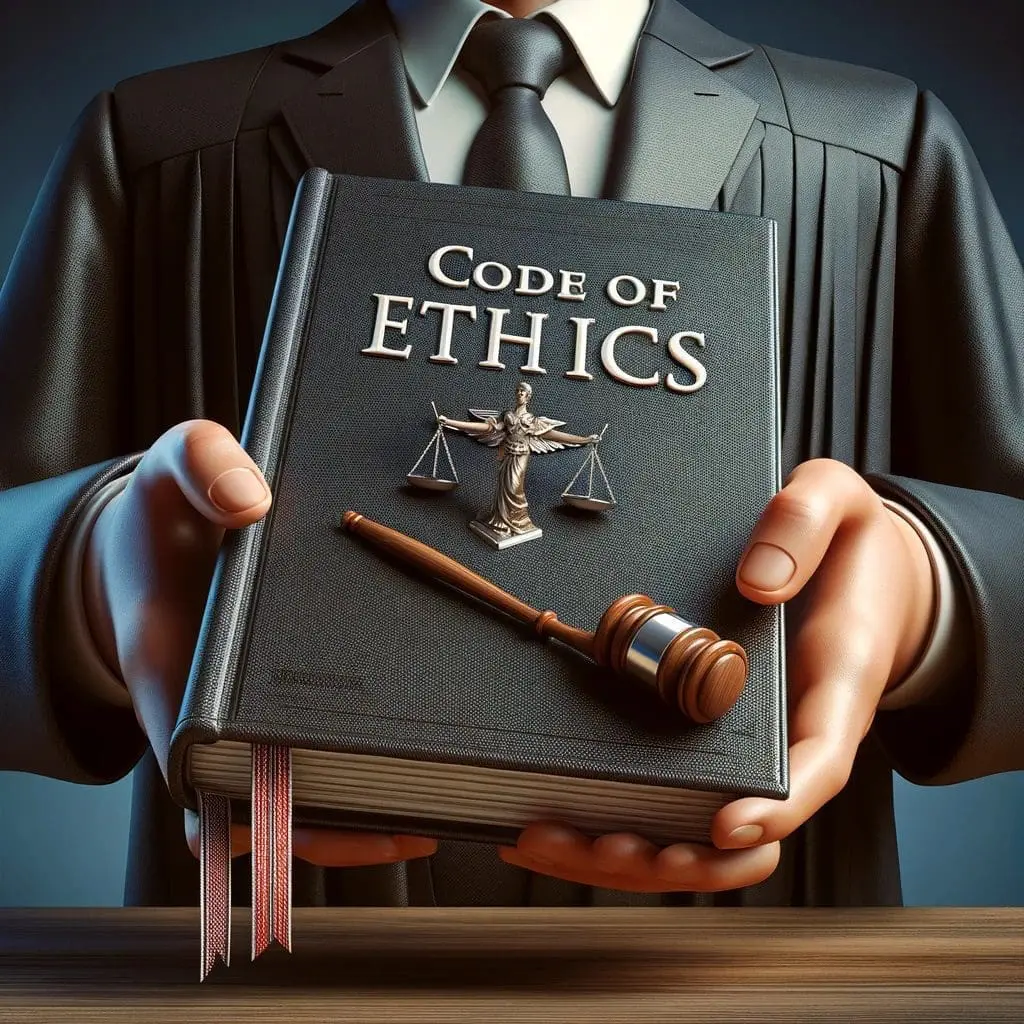
Ethical guidelines enforcement is a critical aspect of administration in any organization, including educational institutions, corporations, and nonprofits. Ensuring compliance with ethical standards not only fosters a culture of integrity but also protects the organization’s reputation and promotes trust among stakeholders. In this article, I share my honest take on the importance of ethical guidelines enforcement, the challenges faced, and practical strategies for getting it right.
1. Understanding Ethical Guidelines Enforcement

Ethical guidelines enforcement involves the implementation and monitoring of policies and practices that promote ethical behavior within an organization. Key components include:
- Clear Standards: Establishing well-defined ethical guidelines that outline acceptable behavior and decision-making processes.
- Training and Education: Providing ongoing training to ensure that all members of the organization understand the ethical standards and their importance.
- Monitoring and Accountability: Regularly assessing compliance with ethical guidelines and holding individuals accountable for their actions.
2. The Importance of Ethical Guidelines Enforcement
Enforcing ethical guidelines is vital for several reasons:
- Building Trust: Adherence to ethical standards fosters trust among employees, students, and stakeholders, creating a positive organizational culture.
- Preventing Misconduct: Effective enforcement helps prevent unethical behavior, reducing the risk of scandals and legal issues that can arise from noncompliance.
- Promoting Accountability: When ethical guidelines are enforced, individuals are more likely to take responsibility for their actions, leading to a culture of accountability.
3. Challenges in Ethical Guidelines Enforcement
Despite the importance of ethical guidelines enforcement, several challenges can arise:
– Lack of Awareness
Many individuals may not be fully aware of the ethical guidelines or their implications:
- Insufficient Training: Without adequate training, employees may not understand the ethical standards or how to apply them in real-world situations.
- Communication Gaps: Ineffective communication can lead to misunderstandings about what is expected in terms of ethical behavior.
– Resistance to Change
Implementing ethical guidelines can face resistance from individuals accustomed to different practices:
- Cultural Barriers: Ingrained organizational cultures may resist new ethical standards, viewing them as unnecessary or burdensome.
- Fear of Repercussions: Employees may fear retaliation for reporting unethical behavior or may feel uncomfortable challenging established norms.
4. Strategies for Effective Ethical Guidelines Enforcement
Based on my experiences, here are practical strategies for ensuring compliance with ethical guidelines:
– Develop Clear and Comprehensive Guidelines
Creating clear ethical guidelines is the foundation of effective enforcement:
- Involve Stakeholders: Engage employees, students, and other stakeholders in the development of ethical guidelines. Their input can help ensure that the guidelines are relevant and applicable.
- Use Clear Language: Avoid jargon and complex language. The guidelines should be easily understandable to everyone within the organization.
– Provide Ongoing Training and Education
Training is essential for reinforcing ethical standards:
- Regular Workshops: Conduct workshops and training sessions to educate employees about the ethical guidelines and their importance. Use real-life scenarios to illustrate how to apply the guidelines in practice.
- Accessible Resources: Provide easily accessible resources, such as handbooks or online modules, that employees can refer to when needed.
– Foster a Culture of Open Communication
Encouraging open communication can help address ethical concerns:
- Create Safe Reporting Channels: Establish confidential reporting mechanisms for employees to report unethical behavior without fear of retaliation.
- Encourage Dialogue: Foster an environment where discussing ethical dilemmas is encouraged. Regularly engage in discussions about ethics during meetings or team-building activities.
– Monitor Compliance and Accountability
Regular monitoring is crucial for effective enforcement:
- Conduct Audits: Regularly assess compliance with ethical guidelines through audits and evaluations. This can help identify areas for improvement and ensure adherence.
- Hold Individuals Accountable: Establish clear consequences for violations of ethical guidelines. Consistent enforcement of consequences reinforces the importance of compliance.
5. Conclusion
In conclusion, ethical guidelines enforcement is essential for ensuring compliance in administration and fostering a culture of integrity within organizations. By developing clear guidelines, providing ongoing training, fostering open communication, and monitoring compliance, organizations can navigate the challenges of ethical enforcement effectively. My honest take is that getting it right requires commitment and collaboration from all members of the organization. When ethical guidelines are embraced and enforced, they not only protect the organization but also contribute to a positive and respectful environment where individuals can thrive. Embracing ethical standards is not just about compliance; it’s about building a foundation of trust and accountability that benefits everyone involved.