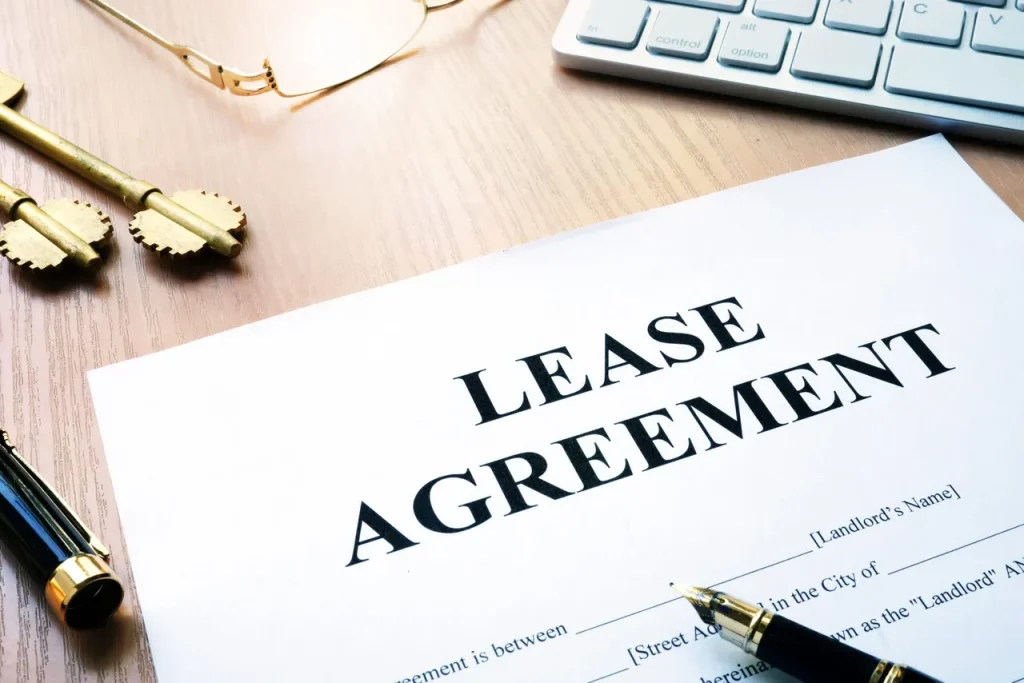
1. What is a Lease Agreement?
A lease agreement is a legally enforceable contract established between a landlord and a tenant, detailing the conditions and terms for leasing a property. It usually includes details such as:
- Duration of the Lease: The length of time the tenant is permitted to occupy the property, usually expressed in months or years.
- Rent Amount: The monthly rent payment, including due dates and acceptable payment methods.
- Security Deposit: The amount designated as a security deposit, which safeguards the landlord against possible damages or unpaid rent.
- Property Description: A detailed description of the rental property, including the address and any included amenities.
2. Key Components of a Lease Agreement
Understanding the key components of a lease agreement can help tenants and landlords navigate their rights and responsibilities effectively:
– Rent and Payment Terms
- Rent Amount: Clearly states the monthly rent and any provisions for rent increases.
- Payment Schedule: Specifies when rent is due (e.g., the first of the month) and acceptable payment methods (e.g., check, online payment).
– Security Deposit
- Amount: The lease should specify the security deposit amount, often equivalent to one month’s rent.
- Return Conditions: The lease should outline the conditions under which the security deposit will be returned, including any deductions for damages or unpaid rent.
– Maintenance and Repairs
- Landlord Responsibilities: Typically, landlords are responsible for maintaining the property and ensuring it meets safety and health standards.
- Tenant Responsibilities: Tenants are usually responsible for keeping the property clean and reporting any maintenance issues promptly.
– Termination and Renewal
- Notice Period: The lease should specify how much notice is required for either party to terminate the agreement at the end of the lease term.
- Renewal Options: Some leases include options for renewal, specifying the terms for extending the lease.
3. Rights of Tenants
Tenants have specific rights protected by law and outlined in lease agreements:
Habitable Space
- Tenants have the right to live in a property that is safe and habitable, free from significant health and safety issues. This includes functioning utilities, adequate heating, and a structurally sound environment.
Privacy
- Landlords must provide reasonable notice before entering the rental property, except in emergencies. This right helps ensure that tenants can enjoy their living space without unwarranted intrusions.
Fair Treatment
- Tenants are protected from discrimination based on race, gender, religion, disability, or other protected characteristics. Fair housing laws prohibit landlords from refusing rental applications based on these factors.
4. Responsibilities of Tenants
Tenants also have responsibilities outlined in lease agreements:
– Timely Rent Payment
- Tenants must pay rent on time as specified in the lease agreement. Failure to do so can result in late fees or eviction proceedings.
– Property Care
- Tenants are responsible for keeping the property clean and in good condition. This includes reporting maintenance issues promptly and avoiding damage to the property.
– Compliance with Lease Terms
- Tenants are required to comply with all the terms specified in the lease, including limitations on pets, smoking, and subletting the property without prior approval.
5. Rights of Landlords
Landlords also have rights protected by lease agreements and local laws:
Receive Rent
- Landlords are entitled to receive rent payments punctually and may pursue legal action if tenants fail to make these payments.
Enter the Property
- Landlords have the right to enter the rental property for necessary inspections, repairs, or showings, provided they give appropriate notice to the tenant.
Terminate the Lease
- Landlords can terminate the lease for valid reasons, such as non-payment of rent, violation of lease terms, or illegal activity on the property.
6. Responsibilities of Landlords
Landlords also have specific responsibilities:
– Maintaining the Property
- Landlords must ensure that the property is habitable and meets local building and safety codes. This includes addressing maintenance issues in a timely manner.
– Returning Security Deposits
- Landlords must return the security deposit to the tenant within a specified period after the lease concludes, deducting any valid charges for damages or unpaid rent.
– Providing Notice for Termination
- Landlords must provide proper notice to tenants if they intend to terminate the lease or increase rent, as required by local laws.
7. Common Lease Agreement Issues
Understanding common lease agreement issues can help tenants and landlords navigate disputes:
– Late Rent Payments
- If a tenant is late on rent, the lease should outline any late fees and the process for handling missed payments.
– Property Damage
- Disputes may arise over property damage and security deposit deductions. It’s essential to document the condition of the property before and after the lease term.
– Lease Violations
- If either party violates the lease terms, the other party may have the right to terminate the lease or seek remedies as outlined in the agreement.
8. Conclusion
In conclusion, understanding lease agreements is vital for both tenants and landlords to ensure a successful rental experience. By being aware of the rights and responsibilities outlined in these agreements, both parties can navigate their relationship more effectively. Whether you are a tenant or a landlord, being informed about the terms of a lease agreement can help prevent misunderstandings and disputes, leading to a more harmonious living arrangement. Always consider consulting a legal professional if you have specific questions or concerns regarding your lease agreement.