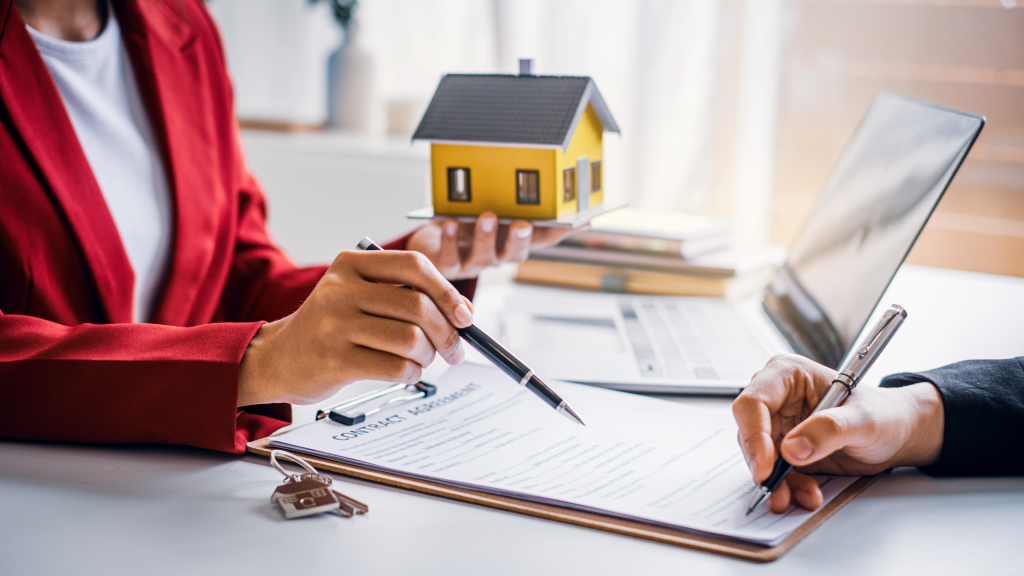
Property administration is a critical aspect of real estate management that ensures properties are well-maintained, tenants are satisfied, and financial performance is optimized. Effective property administration not only enhances the value of real estate assets but also contributes to a positive living and working environment for tenants. In this article, I will outline best practices for effective property administration that you can rely on, drawing from industry insights and experiences.
1. Understanding Property Administration
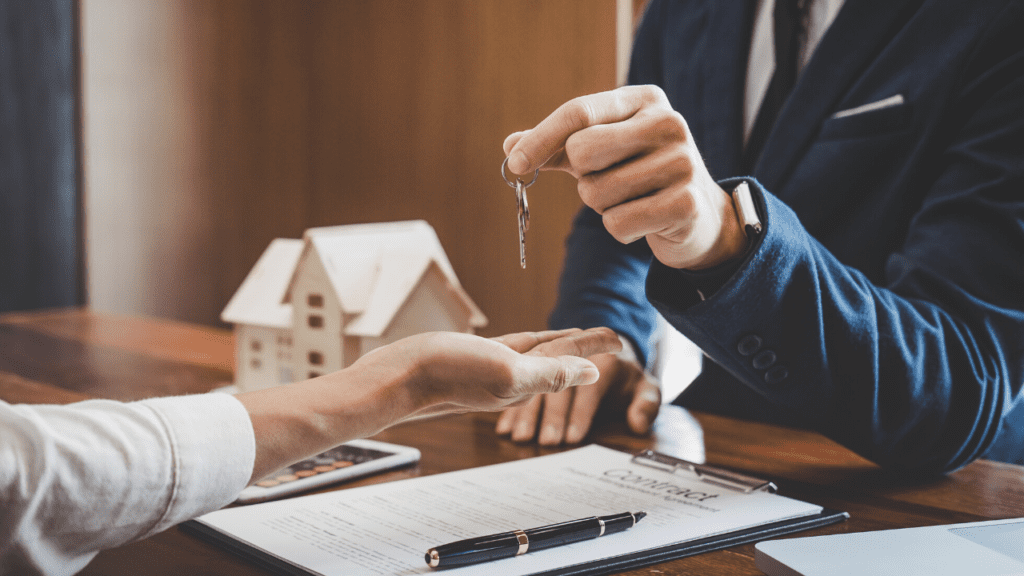
Property administration involves the management of residential, commercial, or industrial properties, focusing on the overall operation, maintenance, and financial performance. Key components include:
- Tenant Relations: Building and maintaining positive relationships with tenants to ensure satisfaction and retention.
- Maintenance and Repairs: Overseeing property maintenance to keep facilities in good condition and address issues promptly.
- Financial Management: Managing budgets, tracking expenses, and ensuring timely rent collection to maintain profitability.
2. Best Practices for Effective Property Administration
To ensure effective property administration, consider the following best practices:
– Establish Clear Communication Channels
Effective communication is essential for successful property administration:
- Regular Updates: Keep tenants informed about property policies, maintenance schedules, and community events through newsletters, emails, or notice boards.
- Accessible Management: Ensure that property managers are accessible and responsive to tenant inquiries and concerns. Providing multiple contact methods (phone, email, in-person) can enhance communication.
– Prioritize Tenant Satisfaction
Happy tenants are more likely to renew their leases and recommend your property to others:
- Feedback Mechanisms: Implement surveys or suggestion boxes to gather tenant feedback on their experiences and areas for improvement.
- Responsive Service: Address tenant requests and maintenance issues promptly. A quick response time can significantly enhance tenant satisfaction.
– Implement a Comprehensive Maintenance Plan
A proactive maintenance plan can prevent costly repairs and enhance property value:
- Regular Inspections: Conduct routine property inspections to identify maintenance needs before they escalate into larger issues.
- Scheduled Maintenance: Establish a schedule for routine maintenance tasks, such as landscaping, HVAC servicing, and safety inspections, to keep the property in optimal condition.
– Utilize Technology for Efficiency
Leverage technology to streamline property administration tasks:
- Property Management Software: Invest in property management software to automate tasks such as rent collection, maintenance requests, and tenant communications. This can save time and reduce administrative burdens.
- Online Portals: Provide tenants with access to an online portal for submitting maintenance requests, paying rent, and accessing important documents. This enhances convenience and transparency.
– Maintain Accurate Financial Records
Effective financial management is crucial for property administration:
- Budgeting: Create a detailed budget that outlines expected income and expenses, allowing for better financial planning and decision-making.
- Regular Reporting: Generate regular financial reports to track performance, identify trends, and make informed decisions about property management.
– Foster a Sense of Community
Creating a sense of community among tenants can enhance their overall experience:
- Organize Events: Host community events, such as BBQs, holiday parties, or workshops, to encourage tenant interaction and build relationships.
- Encourage Resident Involvement: Involve tenants in decision-making processes, such as property improvements or community initiatives, to foster a sense of ownership and belonging.
3. Ongoing Education and Training
Staying informed about industry trends and best practices is essential for effective property administration:
- Professional Development: Encourage property managers to pursue ongoing education and training in property management, customer service, and relevant regulations.
- Networking: Participate in industry associations and networking events to share experiences, gain insights, and stay updated on best practices.
4. Conclusion
In conclusion, property administration is a multifaceted discipline that requires effective management practices to ensure the success of real estate investments. By establishing clear communication channels, prioritizing tenant satisfaction, implementing comprehensive maintenance plans, utilizing technology, maintaining accurate financial records, and fostering a sense of community, property managers can enhance the overall experience for tenants and optimize property performance. These best practices not only contribute to the long-term success of property administration but also create a positive environment for all stakeholders involved. Embrace these strategies to ensure effective property management you can rely on, and watch your properties thrive.