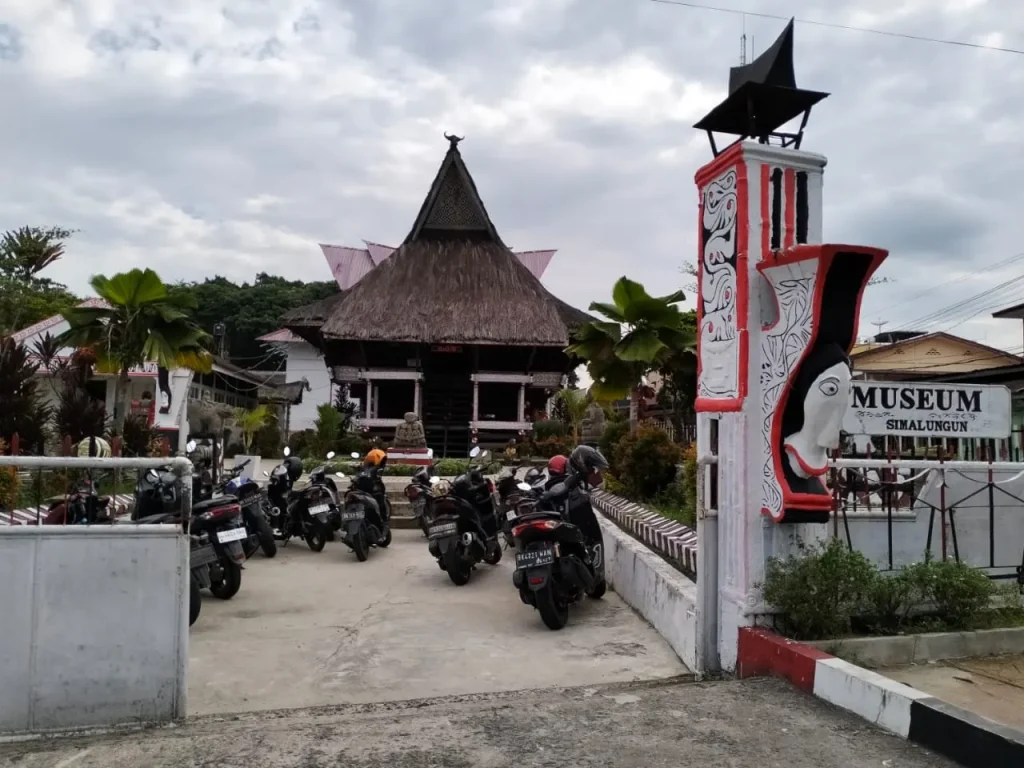
Tourism administration is a multifaceted field that focuses on the management and promotion of travel and tourism-related services. As the travel industry continues to evolve, understanding the principles of tourism administration is essential for anyone looking to build a successful career in this dynamic sector. This article explores key concepts, strategies, and skills that professionals in tourism administration should master to navigate the complexities of the travel industry effectively.
1. Understanding the Tourism Industry

The tourism industry encompasses a wide range of sectors, including hospitality, transportation, attractions, and travel services. It is vital to understand the various components of the industry, such as:
- Accommodation: Hotels, resorts, and other lodging options that provide shelter and services to travelers.
- Transportation: Airlines, railways, car rentals, and other modes of transport that facilitate travel.
- Attractions: Tourist sites, cultural landmarks, and entertainment venues that draw visitors.
- Travel Services: Agencies and online platforms that assist with trip planning, bookings, and customer support.
2. Key Principles of Tourism Administration
– Strategic Planning
Effective tourism administration requires strategic planning to ensure the sustainable development of tourism destinations. Key elements include:
- Market Analysis: Understanding target markets and trends to tailor offerings and marketing strategies.
- Resource Management: Efficiently managing financial, human, and natural resources to maximize benefits for both tourists and local communities.
– Marketing and Promotion
Marketing plays a crucial role in attracting visitors to a destination. Essential strategies include:
- Branding: Creating a strong brand identity that resonates with potential travelers and differentiates the destination from competitors.
- Digital Marketing: Utilizing social media, websites, and online advertising to reach a broader audience and engage with potential customers.
3. Customer Service Excellence
In tourism administration, exceptional customer service is paramount. Here are ways to enhance customer experiences:
- Personalization: Tailoring services and experiences to meet individual preferences and needs, fostering a sense of connection with travelers.
- Feedback Mechanisms: Implementing systems to gather customer feedback and address concerns promptly, ensuring continuous improvement in service delivery.
4. Sustainable Tourism Practices
Sustainability is a growing concern in the tourism industry. Tourism administrators must prioritize environmentally and socially responsible practices, such as:
- Eco-Tourism: Promoting travel experiences that minimize environmental impact and support conservation efforts.
- Community Involvement: Engaging local communities in tourism development to ensure that they benefit economically and culturally from tourism activities.
5. Technology in Tourism Administration
Technology is transforming the tourism industry, making it essential for professionals to stay updated on the latest tools and trends:
- Booking Systems: Familiarity with online booking platforms and reservation systems that streamline the travel planning process for customers.
- Data Analytics: Utilizing data to analyze customer behavior, preferences, and trends, allowing for informed decision-making and targeted marketing strategies.
6. Networking and Collaboration
Building relationships within the industry is crucial for success in tourism administration. Consider the following strategies:
- Industry Associations: Joining professional organizations and networks to connect with peers, share knowledge, and access resources.
- Partnerships: Collaborating with local businesses, government agencies, and tourism boards to create comprehensive travel experiences and promote destinations effectively.
7. Navigating Challenges in Tourism Administration
The tourism industry faces various challenges, including economic fluctuations, political instability, and natural disasters. Here are strategies to navigate these challenges:
- Crisis Management: Developing contingency plans to address potential crises and ensure the safety and well-being of travelers.
- Adaptability: Being flexible and responsive to changing market conditions and traveler preferences, allowing for quick adjustments to strategies and offerings.
8. Career Opportunities in Tourism Administration
A career in tourism administration offers diverse opportunities across various sectors. Some potential roles include:
- Tourism Manager: Overseeing tourism development and marketing efforts for a destination or organization.
- Event Coordinator: Planning and executing events, conferences, and festivals that attract visitors.
- Travel Consultant: Assisting clients with travel arrangements, providing personalized recommendations, and ensuring a seamless travel experience.
9. Conclusion
In conclusion, tourism administration is a dynamic and rewarding field that requires a comprehensive understanding of the travel industry, strategic planning, customer service excellence, sustainable practices, and technological advancements. By mastering these principles and skills, professionals can navigate the complexities of the tourism sector and contribute to the growth and success of their organizations. As the industry continues to evolve, staying informed and adaptable will be key to thriving in the exciting world of tourism administration. Whether you are a student aspiring to enter the field or a professional looking to enhance your skills, embracing these strategies will empower you to navigate the dynamics of the travel industry like a pro.