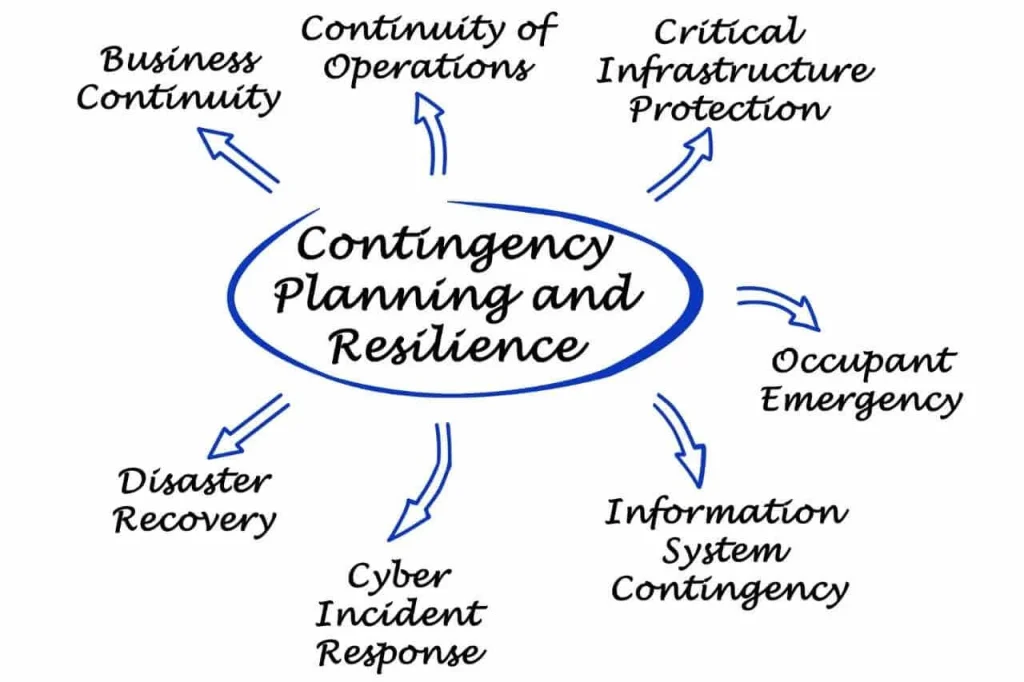
Contingency planning is a vital aspect of effective administration that involves preparing for unexpected events or emergencies. In today’s fast-paced and often unpredictable environment, having a robust contingency plan can mean the difference between a minor setback and a major crisis. This article explores the importance of contingency planning in administrative roles, the key components of an effective plan, and strategies for implementing contingency measures like a pro.
1. The Importance of Contingency Planning in Administration

Contingency planning is essential for several reasons:
a. Risk Management
- Identifying Potential Risks: Contingency planning helps administrators identify potential risks and vulnerabilities within their organization, allowing them to proactively address these issues before they escalate.
- Minimizing Disruption: By preparing for unexpected events, organizations can minimize disruptions to operations, ensuring continuity and stability even during crises.
b. Enhanced Decision-Making
- Preparedness: Having a contingency plan in place allows administrators to make informed decisions quickly during emergencies, reducing panic and uncertainty.
- Resource Allocation: Effective contingency planning enables better allocation of resources, ensuring that necessary tools, personnel, and support are available when needed.
2. Key Components of an Effective Contingency Plan
An effective contingency plan should include several key components:
a. Risk Assessment
- Identifying Risks: Conduct a thorough assessment to identify potential risks that could impact operations, such as natural disasters, technological failures, or supply chain disruptions.
- Evaluating Impact: Analyze the potential impact of each identified risk on the organization, considering factors such as financial loss, operational disruption, and reputational damage.
b. Response Strategies
- Developing Action Plans: Create detailed action plans for each identified risk, outlining the steps to be taken in response to various scenarios. This includes designating roles and responsibilities for team members during an emergency.
- Communication Protocols: Establish clear communication protocols to ensure that all stakeholders are informed and updated during a crisis. This includes internal communication within the organization and external communication with clients, partners, and the public.
c. Training and Drills
- Staff Training: Provide training for staff on the contingency plan, ensuring that everyone understands their roles and responsibilities in the event of an emergency.
- Conducting Drills: Regularly conduct drills and simulations to test the effectiveness of the contingency plan. This helps identify any gaps or areas for improvement and ensures that staff are prepared to respond effectively.
3. Strategies for Implementing Contingency Planning Like a Pro
To implement contingency planning effectively, consider the following strategies:
a. Foster a Culture of Preparedness
- Encouraging Proactive Mindset: Promote a culture of preparedness within the organization, encouraging staff to think critically about potential risks and solutions.
- Involving Team Members: Involve team members in the contingency planning process, gathering input and insights from various perspectives to create a comprehensive plan.
b. Regularly Review and Update Plans
- Continuous Improvement: Regularly review and update the contingency plan to reflect changes in the organization, industry, and external environment. This ensures that the plan remains relevant and effective.
- Feedback Mechanism: Establish a feedback mechanism to gather insights from staff after drills or actual incidents, using this information to refine and improve the contingency plan.
c. Leverage Technology
- Utilizing Tools and Software: Take advantage of technology to streamline the contingency planning process. Use software tools for risk assessment, communication, and documentation to enhance efficiency and organization.
- Data Backup and Recovery: Implement robust data backup and recovery solutions to protect critical information in the event of a technological failure or cyberattack.
4. Conclusion
In conclusion, contingency planning is an essential skill for administrators that enables organizations to prepare for the unexpected and respond effectively to crises. By identifying potential risks, developing response strategies, and fostering a culture of preparedness, administrators can ensure that their organizations remain resilient in the face of challenges.
Implementing effective contingency planning not only minimizes disruption but also enhances decision-making and resource allocation during emergencies. By embracing contingency planning like a pro, administrators can safeguard their organizations, protect their stakeholders, and maintain operational continuity in an ever-changing environment.