
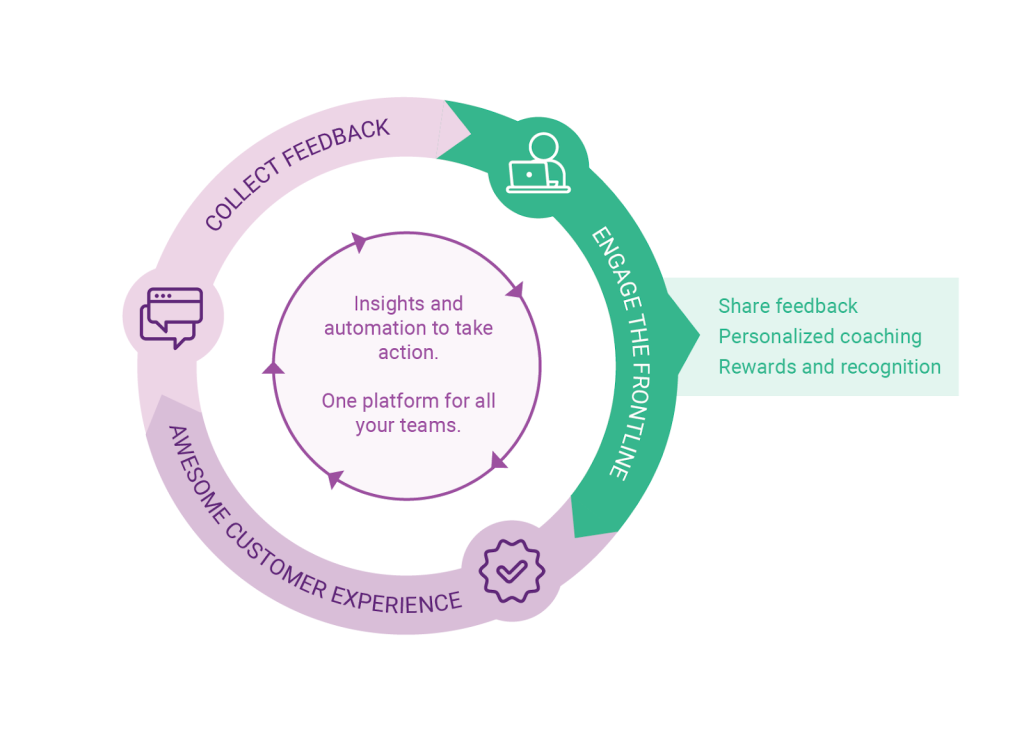
Jakarta, adminca.sch.id – Strong administration is not only about keeping systems running. It is also about learning from experience, identifying patterns, and making informed adjustments that improve performance over time. That is where a Feedback Loop becomes especially valuable. In administrative settings, a feedback loop is the ongoing process of collecting information about how work is being done, interpreting that information, and using it to refine decisions, processes, and outcomes. To me, this concept matters because it turns routine operations into opportunities for continuous improvement.
Why Feedback Loop Matters in Administration

In my experience, a Feedback Loop matters because administrative work affects many people and processes at once. Scheduling, communication, documentation, service delivery, compliance, and team coordination all create results that can be observed and evaluated. If administrators ignore those results, inefficiencies tend to repeat themselves. But when they pay attention to feedback, they can make thoughtful changes that strengthen accuracy, responsiveness, and overall effectiveness.
This becomes especially important because administrative systems often appear functional on the surface even when deeper issues exist. A delayed approval process, repeated data entry error, miscommunication between departments, or recurring customer complaint may signal that something in the process needs adjustment. A feedback loop helps organizations detect those signals early and respond more intelligently.
There is also a strong connection to operational Knowledge and strategic improvement here. The value of feedback is not simply in hearing opinions. It is in turning observations into action.
My Perspective on Administrative Improvement
What changed my understanding of Feedback Loop was realizing that improvement does not happen automatically just because information exists. At first, it may seem enough to collect comments, performance reports, or complaints. But over time, I came to see that the real benefit comes from creating a cycle: gather insight, analyze it, act on it, and then review the results again.
That is what makes this topic meaningful to me. A feedback loop is not only about evaluation. It is about building an administrative culture that learns continuously.
Core Elements of a Feedback Loop
I think the value of a Feedback Loop becomes easier to understand when its major elements are broken down clearly.
Data collection
Information may come from reports, surveys, service records, error tracking, or staff observations.
Pattern recognition
Administrators identify trends, weaknesses, and recurring issues.
Interpretation
The team determines what the feedback means and what may be causing the issue.
Action
Changes are made to processes, communication, training, or systems.
Review
Results are monitored to see whether the adjustment improved performance.
Continuity
The process repeats so improvement becomes ongoing rather than one-time.
Common Challenges in Using a Feedback Loop
I have noticed that Feedback Loop systems also come with practical difficulties.
Too much data
Organizations may collect more information than they can meaningfully use.
Poor-quality feedback
Not all feedback is clear, accurate, or actionable.
Resistance to criticism
Teams may become defensive rather than reflective.
Weak follow-through
Feedback loses value when no action is taken.
Lack of evaluation after changes
Without review, organizations cannot tell whether improvements worked.
Practical Value of a Feedback Loop
I believe a Feedback Loop offers lasting value because it supports smarter administration and better outcomes.
It improves performance
Processes become more accurate and efficient over time.
It reduces repeated errors
Organizations can identify causes instead of treating symptoms repeatedly.
It strengthens decision-making
Leaders act on evidence rather than assumption.
It encourages accountability
Teams become more aware of outcomes and responsibilities.
It supports continuous improvement
Small adjustments can lead to meaningful long-term gains.
Below is a simple overview of how a feedback loop strengthens administrative performance:
| Feedback Loop Element | Why It Matters | Example in Practice |
|---|---|---|
| Data collection | Provides the basis for improvement | Staff survey responses reveal confusion about a reporting procedure |
| Pattern recognition | Identifies recurring issues | Repeated delays show that one approval step is causing bottlenecks |
| Interpretation | Clarifies what needs to change | Administrators determine that instructions are unclear and inconsistent |
| Action | Converts insight into improvement | A revised workflow and clearer checklist are introduced |
| Review | Confirms whether the change worked | Processing time is measured again after the new procedure is implemented |
These examples show that a feedback loop is not simply a management idea. It is a practical system for turning administrative insight into stronger performance.
Why Feedback Loop Matters Beyond Administration
I think a Feedback Loop matters because every effective organization needs ways to learn from its own operations. Whether in education, business, healthcare, or public service, improvement depends on noticing what is happening, understanding why it is happening, and responding in a structured way. Feedback loops make that possible.
That broader significance is what makes this topic so valuable. A feedback loop is not only about reviewing performance. It is about enhancing performance through administrative insights.
Final Thoughts
For me, a Feedback Loop is one of the most useful concepts in administration because it connects observation, analysis, action, and improvement into a continuous cycle. It helps organizations move beyond routine repetition and toward more intentional, evidence-based performance.
That is why it matters so much. A feedback loop is not simply a way of collecting input. It is a method for enhancing performance through administrative insights.
Explore our “”Knowledge“” category for more insightful content!
Don't forget to check out our previous article: Organizational Genius: Crafting Order from Administrative Chaos