
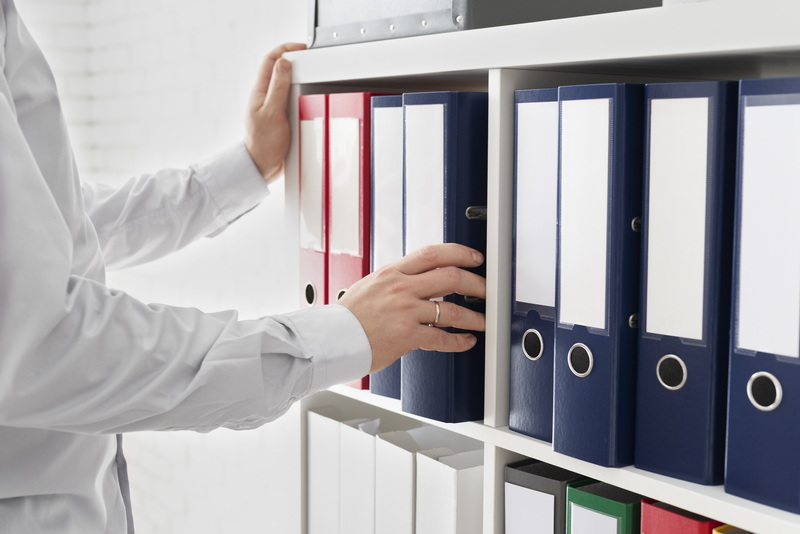
Jakarta, adminca.sch.id – An effective Filing Systems approach is essential for admin staff who manage documents as part of daily office operations. In almost every workplace, administrative professionals handle records, forms, contracts, reports, correspondence, invoices, and many other types of information. When these materials are stored poorly, even simple tasks can become slow and frustrating. A well-organized filing system helps staff retrieve documents quickly, maintain accuracy, and support smoother workflow across the office.
Good filing is not just about putting papers into folders or saving digital files with hopeful names like final version new latest. It is about using a clear structure that makes documents easy to locate, easy to update, and easy to manage over time. For admin staff, strong filing systems save time, reduce stress, and improve reliability.
Why filing systems matter in administration
Filing Systems matter because documents support many essential business activities. Admin staff often need to access records quickly for meetings, reporting, compliance, communication, or daily coordination. If files are missing, duplicated, or stored inconsistently, work slows down and errors become more likely.
Well-organized filing also improves accountability. It becomes easier to confirm what documents exist, where they belong, and whether they are current. In offices that handle sensitive or high-volume information, this kind of order is especially important.
Common filing challenges in the workplace
Admin teams often face several document management issues when Filing Systems are weak or inconsistent. These may include:
- Misplaced paper documents
- Duplicate digital files
- Unclear folder names
- Slow retrieval during urgent requests
- Different staff using different storage methods
- Outdated records mixed with current ones
These problems can waste time and create confusion. In some cases, they can also affect professionalism, compliance, or decision-making. A document that cannot be found quickly tends to become instantly important, usually at the worst possible moment.
Organized methods for faster storage and retrieval
Admin staff can improve Filing Systems by using practical and consistent methods for both physical and digital records.
Use a clear category structure
Documents should be grouped by logical categories such as department, function, project, client, or document type.
Apply consistent naming rules
File names should be simple, specific, and standardized. Dates, titles, and version labels can help distinguish records clearly.
Separate active and archived documents
Current files should be easy to access, while older documents should be moved to archive storage with clear labeling.
Label folders accurately
Whether physical or digital, folders should be named in a way that allows quick understanding without guesswork.
Limit unnecessary duplication
Keeping multiple copies in different places increases confusion. One trusted location is usually better than five creative hiding spots.
Review and clean files regularly
Outdated, duplicate, or irrelevant documents should be removed or archived to keep the system efficient.
Match access with responsibility
Sensitive documents should be stored securely, with access limited according to role and need.
Physical and digital filing both matter
Modern Filing Systems often involve a combination of paper and digital records. Admin staff need to maintain both with equal care. Physical files should be arranged in cabinets, drawers, or shelves using clear labels and logical order. Digital files should follow a shared folder structure that is easy for authorized users to understand.
It is also important that the two systems do not contradict each other. If a digital record exists, staff should know whether the paper version is official, duplicated, or archived. Alignment between systems reduces confusion and makes document handling more efficient.
Benefits of strong filing systems
Well-designed Filing Systems offer several practical benefits:
- Faster document retrieval
- Better office organization
- Reduced time wasted searching
- Improved accuracy and version control
- Stronger confidentiality and security
- Easier collaboration across teams
These benefits make administrative work more dependable and less stressful. Filing may not be the most glamorous office skill, but when done well, it quietly rescues the day more often than people realize.
Final thoughts
Filing Systems help admin staff store and retrieve documents quickly through organized, consistent, and practical methods. By using clear categories, standard naming, regular cleanup, and aligned paper and digital storage, offices can improve both efficiency and reliability.
In administrative work, time is often lost in small moments of disorder. Strong filing systems reduce those moments and create a smoother foundation for everything else the office needs to do.
Explore our “”Knowledge“” category for more insightful content!
Don't forget to check out our previous article: Admin Professionalism: How Admin Staff Can Build Trust, Confidence, and Workplace Respect