
Jakarta, adminca.sch.id – Strong Letter Writing skills are essential for admin staff who create business correspondence on behalf of an organization. Even in a workplace where email and messaging are common, formal letters still play an important role in communication with clients, partners, institutions, vendors, and internal stakeholders. A clear business letter reflects professionalism, supports accurate communication, and helps maintain the credibility of the office it represents.
For admin staff, letter writing is more than typing information into a document. It involves choosing the correct format, using appropriate tone, organizing content clearly, and ensuring the purpose of the letter is immediately understood. A well-written business letter saves time, reduces confusion, and makes the organization look far more competent than a message held together by vague wording and hopeful punctuation.
Why professional letter writing matters

Letter Writing matters in administrative work because business letters often serve as official records. They may confirm agreements, request information, respond to concerns, introduce services, or document decisions. Unlike informal messages, business letters carry a more formal and lasting purpose. This means structure and wording must be handled carefully.
Professional letters also affect reputation. Clear, polite, and properly formatted correspondence shows that the organization values accuracy and respect. Poorly written letters, on the other hand, may create misunderstanding or make the sender appear careless.
Common purposes of business letters
Admin staff may handle many types of Letter Writing depending on the office and industry. Common examples include:
- Request letters
- Confirmation letters
- Complaint or response letters
- Appointment or meeting letters
- Introduction letters
- Thank-you letters
- Notification letters
- Reference or verification letters
Although the purpose may vary, the need for clarity and professionalism stays the same.
Basic professional format of a business letter
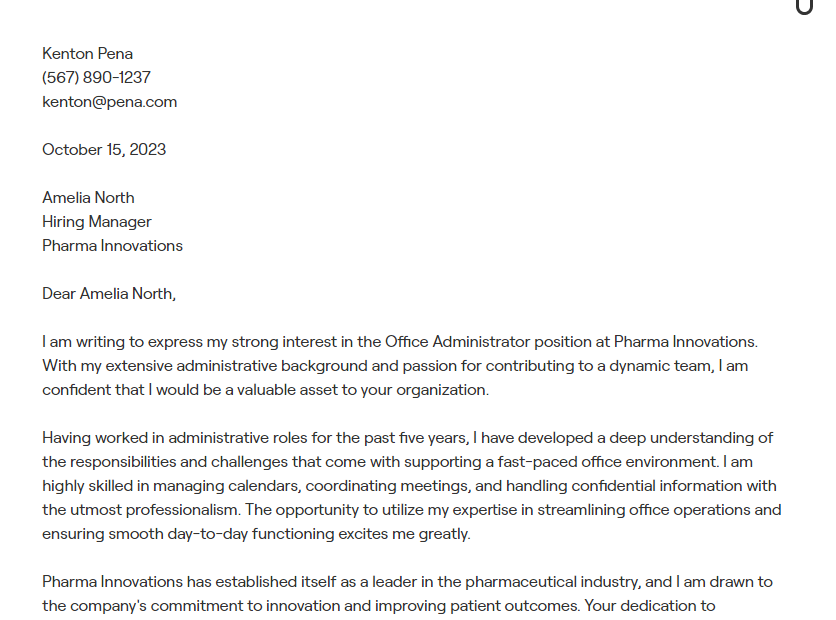
A standard Letter Writing format helps keep business communication organized and easy to follow. While exact style may vary slightly between organizations, most professional letters include these parts:
- Sender’s address or letterhead
- Date
- Recipient’s name and address
- Subject line if used
- Salutation
- Opening paragraph
- Main body
- Closing paragraph
- Formal sign-off
- Name, title, and contact information if needed
This structure gives the letter a logical flow. It allows the reader to understand who is writing, why the letter was sent, and what action or response is expected.
Writing clearly and professionally
Good Letter Writing depends not only on format but also on language. Business letters should be direct, respectful, and free from unnecessary complexity. The goal is to communicate the message clearly, not to impress the reader with dramatic wording that sounds like it escaped from a legal drama.
Useful writing principles include:
- State the purpose early
- Keep sentences concise
- Use polite and formal tone
- Avoid slang or vague expressions
- Organize points logically
- Check names, dates, and details carefully
- End with a clear next step if needed
These habits help make the letter more effective and easier to read.
Common mistakes admin staff should avoid
Admin professionals can weaken Letter Writing quality when they overlook basic standards. Common mistakes include:
- Missing recipient details
- Unclear subject or purpose
- Grammar and spelling errors
- Overly long paragraphs
- Inconsistent formatting
- Tone that is too casual or too harsh
- Missing closing information or signature
These problems may seem small, but they can affect both understanding and professionalism. In business communication, small errors often wear very large consequences.
Why templates and standards help
One useful way to improve Letter Writing is to create standard templates for recurring types of correspondence. Templates help ensure consistency, save time, and reduce formatting errors. However, templates should still be adjusted to match the specific situation. A letter that feels copied without care can sound cold or inappropriate.
Organizations benefit when admin staff follow clear letter standards for layout, tone, and approval procedures. This makes correspondence more reliable across departments and situations.
Final thoughts
Letter Writing remains a valuable skill for admin staff creating clear and professional business letters. By using proper formats, respectful language, and well-organized structure, administrative professionals can strengthen communication and represent their organizations more effectively.
A strong business letter does not need to be long or complicated. It needs to be accurate, readable, and purposeful. When those qualities are in place, even a simple letter can do its job exceptionally well.
Explore our “”Knowledge“” category for more insightful content!
Don't forget to check out our previous article: Document Archiving: Practical Ways for Admin Professionals to Store Old Records Safely