
Jakarta, adminca.sch.id – Strong Office Confidentiality is essential in administrative work because admin professionals often handle sensitive information every day. This may include employee records, financial documents, client data, contracts, internal communications, and operational details that should not be shared casually. Protecting this information is not only a matter of professionalism. It is also important for trust, compliance, and the overall security of the organization.
In many offices, confidentiality depends less on dramatic cybersecurity scenes and more on daily habits. A document left on a desk, an email sent to the wrong recipient, or a casual conversation in the wrong place can all create serious problems. Smart admin practices help reduce these risks and keep sensitive information properly protected.
Why office confidentiality matters
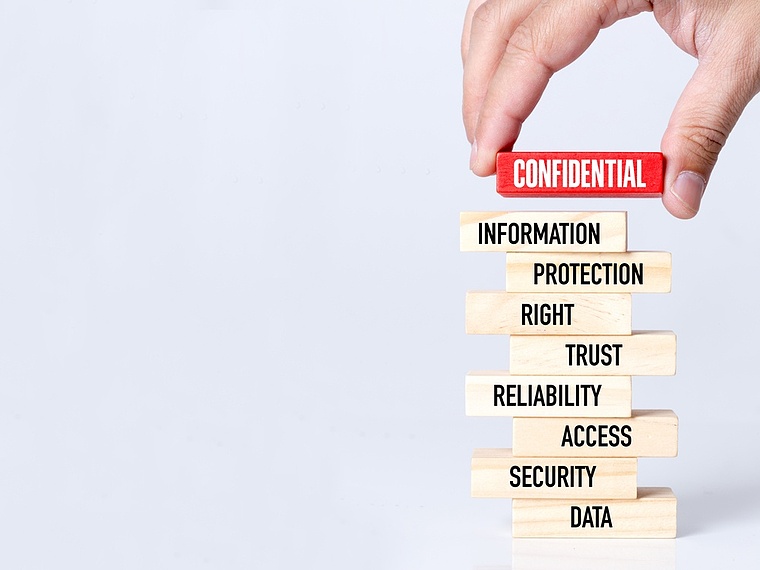
Office Confidentiality matters because organizations rely on trust. Employees, clients, and partners expect sensitive information to be handled responsibly. If confidentiality is broken, the consequences may include reputational damage, legal issues, financial risk, or internal conflict.
Administrative professionals play an especially important role because they often work close to both information flow and document management. Their daily habits can either strengthen or weaken confidentiality across the workplace.
Types of sensitive information admin staff handle
A clear understanding of Office Confidentiality begins with recognizing what kinds of information require protection.
This may include:
- Employee personal records
- Payroll or financial information
- Client contact details
- Contracts and legal documents
- Internal reports
- Medical or leave information
- Passwords or access details
- Strategic or management communications
Not every document is equally sensitive, but admin staff should be able to identify which materials require extra care.
Smart practices that protect confidentiality
Practical Office Confidentiality depends on consistent habits rather than occasional caution.
Helpful practices include:
- Locking physical files and storage cabinets
- Using strong passwords and secure systems
- Logging out of shared computers
- Checking email recipients carefully before sending
- Limiting document access based on role
- Shredding confidential papers when disposal is required
- Avoiding sensitive discussions in public or open areas
- Keeping desks clear of exposed private materials
These actions may seem basic, but they prevent many of the most common confidentiality failures.
Digital and physical security both matter
Strong Office Confidentiality involves both digital and physical protection. Offices often focus heavily on electronic systems, but paper records, printed reports, notebooks, and visible screens can also create risk.
Admin professionals should pay attention to:
- Screen privacy in shared spaces
- Secure folder permissions
- Clean desk habits
- Controlled printing and collection of documents
- Safe storage for archived records
A confidential document is not protected simply because it was once saved in a secure folder and then printed twelve times for unknown reasons.
Building a culture of careful information handling
One important part of Office Confidentiality is workplace culture. If staff treat sensitive information casually, even strong systems can fail. Admin professionals can help reinforce a culture of care by following procedures consistently and setting a professional example.
A stronger confidentiality culture includes:
- Respect for information boundaries
- Clear rules on who may access what
- Immediate reporting of mistakes or risks
- Awareness that convenience should not override security
This helps confidentiality become part of everyday behavior rather than a rule remembered only after a problem.
Final thoughts
Office Confidentiality protects sensitive information through smart admin practices that support trust, compliance, and workplace security. By combining careful document handling, secure digital habits, and professional judgment, admin professionals help reduce risk and maintain stronger organizational reliability.
Confidentiality is often protected in quiet moments of discipline rather than visible moments of crisis. That is exactly why those habits matter so much.
Explore our “”Knowledge“” category for more insightful content!
Don't forget to check out our previous article: Admin Efficiency: Practical Ways for Admin Professionals to Save Time and Work Better