
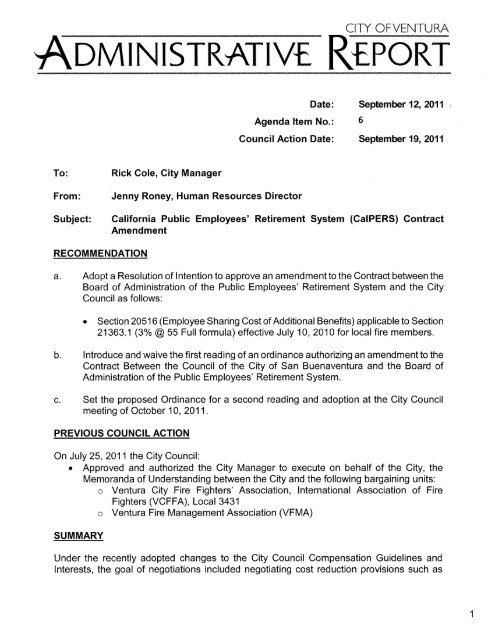
Jakarta, adminca.sch.id – Administrative work depends heavily on communication that is accurate, organized, and easy to act on. In many professional settings, leaders, managers, teams, and stakeholders do not have time to read lengthy explanations or sort through scattered details. They rely on summaries that identify the issue, present the relevant facts, explain the current status, and support decision-making. That is why Report Writing matters so much. To me, report writing is the structured process of organizing information into a clear, concise, and useful format so that readers can quickly understand situations, evaluate progress, and make informed decisions.
Why Report Writing Matters

In my experience, Report Writing matters because administration depends on clarity. Whether the report concerns operations, staffing, budgets, incidents, project updates, compliance, or planning, the quality of the written summary often affects how efficiently an organization responds. A vague or poorly structured report can create confusion, delay decisions, and weaken accountability. A strong report saves time and improves action.
This becomes especially important because administrative environments often involve multiple responsibilities, competing priorities, and different audiences. A report may need to be understood by supervisors, team members, departments, auditors, or external partners. That means the writing must balance accuracy with readability. It needs enough detail to be credible, but enough clarity to remain useful.
There is also a strong connection to professional Knowledge, organizational communication, documentation, accountability, decision support, and process management here. Good report writing is not simply about filling in a template. It is about crafting clear and concise administrative summaries that help institutions function more effectively.
My Perspective on Administrative Communication
What changed my understanding of Report Writing was realizing that useful reporting is not about sounding formal for its own sake. At first, some may think administrative writing should be long, technical, or overly detailed to appear professional. But over time, I came to see that the strongest reports are often the clearest ones. Professional writing works best when it respects the reader’s time, highlights what matters, and presents information in a logical order.
That is what makes this topic meaningful to me. Report writing is not only about documentation. It is about turning information into practical understanding.
Core Elements of Effective Report Writing
I think the value of Report Writing becomes easier to understand when its key elements are broken down clearly.
Clear purpose
A report should make its reason for existing immediately obvious.
Concise structure
Information should be organized in a simple, logical sequence.
Relevant detail
Only the most useful facts should be included.
Accuracy
Administrative summaries must be dependable and precise.
Readable language
Professional writing should be clear, not unnecessarily complex.
Actionable insight
A strong report helps readers decide what comes next.
Common Challenges in Report Writing
I have noticed that Report Writing also comes with several common difficulties.
Too much information
Writers may include details that distract from the main point.
Poor organization
Important facts may be buried or placed out of sequence.
Unclear language
Overly formal wording can reduce understanding.
Missing context
Readers may not know why the information matters.
Weak conclusions
Some reports describe issues without clarifying implications or next steps.
Practical Strategies for Strong Report Writing
I believe Report Writing becomes more effective when writers focus on clarity, structure, and reader needs.
Start with the purpose
State the issue, update, or objective early.
Use headings and sections
This helps readers scan information quickly.
Prioritize key facts
Lead with the most important information first.
Keep sentences direct
Shorter, clearer sentences improve comprehension.
End with status or recommendations
Readers should understand the outcome or next action.
Below is a simple overview of useful report writing practices:
| Report Writing Strategy | Why It Matters | Example in Practice |
|---|---|---|
| State the purpose early | Gives immediate direction | An incident report begins with what happened and when |
| Organize by section | Improves readability | A summary includes background, findings, and next steps |
| Focus on relevant facts | Prevents overload | A project report includes progress updates, not every minor detail |
| Use direct language | Increases clarity | A staffing report explains shortages without vague wording |
| End with recommendations or status | Supports action | A budget summary closes with proposed adjustments |
These examples show that report writing is not simply an administrative requirement. It is a practical tool for improving understanding, coordination, and decision-making.
Why Report Writing Matters Beyond Administration
I think Report Writing matters because its value extends beyond routine office tasks. The ability to summarize information clearly, identify what matters, and present findings in a useful way is valuable in leadership, project management, education, policy work, and many other professional fields. Good reporting reflects disciplined thinking as much as strong communication.
That broader significance is what makes this topic so valuable. Report writing is not only about administrative paperwork. It is about helping people understand situations clearly enough to respond wisely.
Final Thoughts
For me, Report Writing is one of the most important professional skills in administrative work because it turns complexity into clarity. A well-written report helps readers understand the issue, see the relevant facts, and act with confidence.
That is why it matters so much. Report writing is not simply about producing summaries. It is about crafting clear and concise administrative summaries that strengthen communication, accountability, and effective decision-making.
Explore our “”Knowledge“” category for more insightful content!
Don't forget to check out our previous article: Framing: How Presentation of Choices Changes Financial Behavior