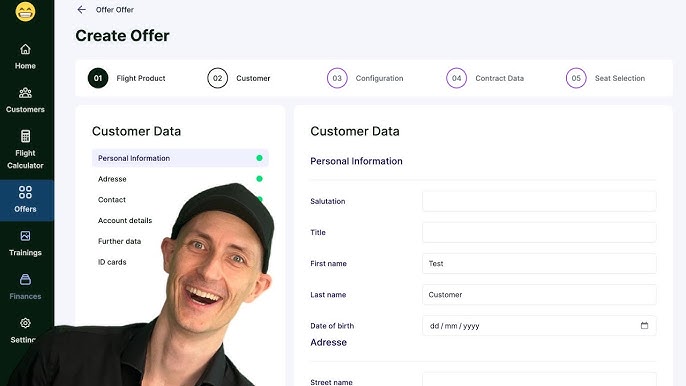
Becoming a workflow wizard involves mastering the art of optimizing processes to achieve administrative excellence. In today’s fast-paced work environment, efficiency and effectiveness are paramount. Drawing from my experiences, I’ll share my go-to tricks and real-life lessons that can help streamline workflows, enhance productivity, and foster a culture of continuous improvement in any administrative setting.
Understanding the Role of a Workflow Wizard

A workflow wizard is someone who can identify inefficiencies in processes, implement effective solutions, and ensure that operations run smoothly. This role is crucial in administrative environments where time and resources are often limited.
Key Responsibilities of a Workflow Wizard
- Process Mapping: Analyzing existing workflows to identify bottlenecks and areas for improvement.
- Implementation of Tools: Leveraging technology and tools to automate and simplify tasks.
- Training and Support: Educating team members on new processes and ensuring they are equipped to adapt to changes.
My Go-To Tricks for Optimizing Workflows
Here are some effective strategies I’ve employed to become a workflow wizard:
1. Map Out Current Processes
- Visual Workflow Diagrams: Create visual representations of existing processes using flowcharts or diagrams. This visualization helps identify inefficiencies and redundancies.
- Gather Input from Team Members: Involve team members in the mapping process. Their insights can reveal pain points that may not be immediately apparent.
2. Leverage Technology
- Automation Tools: Use automation software like Zapier or Microsoft Power Automate to streamline repetitive tasks. Automating processes such as data entry, email notifications, and report generation can save significant time.
- Project Management Software: Implement tools like Trello, Asana, or Monday.com to manage tasks and projects effectively. These platforms enhance collaboration and keep everyone on the same page.
3. Standardize Procedures
- Create Standard Operating Procedures (SOPs): Document step-by-step procedures for recurring tasks. SOPs provide clarity and consistency, making it easier for team members to follow established protocols.
- Checklists and Templates: Develop checklists and templates for common tasks. These resources can minimize errors and ensure that important steps are not overlooked.
4. Foster a Culture of Continuous Improvement
- Regular Feedback Sessions: Schedule regular check-ins with team members to gather feedback on processes. Encourage open communication about what works and what doesn’t.
- Pilot New Processes: Before fully implementing changes, conduct pilot tests to evaluate their effectiveness. This approach allows for adjustments based on real-world feedback.
Real-Life Lessons from My Experience
Throughout my journey as a workflow wizard, I’ve encountered valuable lessons that have shaped my approach:
1. Embrace Change Gradually
Implementing new processes can be met with resistance. It’s important to introduce changes gradually and provide adequate training and support to help team members adapt. Change management is critical to ensuring a smooth transition.
2. Measure Success
Establish key performance indicators (KPIs) to measure the success of optimized workflows. Regularly assess metrics such as time saved, error rates, and team satisfaction to gauge the effectiveness of changes.
3. Stay Flexible
What works today may not be effective tomorrow. Be open to revisiting and adjusting processes as needed. Flexibility is essential for maintaining efficiency in a dynamic work environment.
4. Celebrate Achievements
Recognize and celebrate improvements in workflows and processes. Acknowledging team efforts fosters motivation and reinforces the importance of continuous improvement.
Conclusion
In conclusion, becoming a workflow wizard is about optimizing processes for administrative excellence. By mapping out current workflows, leveraging technology, standardizing procedures, and fostering a culture of continuous improvement, you can enhance productivity and efficiency in any administrative setting.
The tricks and lessons shared in this article are just the beginning. Embrace the journey of becoming a workflow wizard, and you’ll find that small changes can lead to significant improvements in your organization. With dedication and the right strategies, you can transform administrative processes and contribute to a more efficient and effective workplace.